Nano Banana 2 is everywhere right now. Scroll through any AI art community, creator forum, or design thread and within minutes you will see someone posting outputs from it, asking about it, or debating whether it actually beats older generation models. This is not the usual slow build of a niche tool finding its audience. It is a full viral moment, and there are very specific reasons it happened so fast. The combination of Google-backed engineering, a memorable name, and outputs that consistently hold up under real-world scrutiny has created something rare in the AI image space: a model that non-technical people are excited to share.

What Is Nano Banana 2?
Released by Google, Nano Banana 2 is a text-to-image AI model built around one core premise: deliver high-quality results at genuinely fast speeds. It sits in the growing class of models that refuse to make you choose between quality and throughput, and from the results flooding social platforms right now, it is delivering on that promise in ways that are turning heads across creative communities.
Google's Speed-First Architecture
The architecture behind Nano Banana 2 is optimized differently from the traditional diffusion pipeline approach. Where many models prioritize maximum image fidelity at the cost of generation time, Nano Banana 2 compresses inference steps without the dramatic quality loss that typically accompanies that trade-off.
This is not just a technical footnote. For creators who generate dozens of image variations to find the right one, or for social media managers running content at volume, the time savings compound into something genuinely significant. What used to take minutes per batch now takes seconds, and that gap changes how people work at a fundamental level.
What the speed advantage actually means in practice:
- Rapid A/B testing of prompt variations without the wait penalty
- More iterations per session, leading to higher-quality final selections
- Lower friction for experimenting with unusual or risky prompt ideas
- Practical for volume-based workflows like social media content pipelines
The Name That Won the Internet
There is something else at play here that no amount of technical optimization can manufacture: the name itself. "Nano Banana 2" is immediately memorable, slightly absurd, and completely unintimidating. In a space where models are often named with sterile alphanumeric strings or overloaded technical branding, a name like this cuts through the noise the moment someone says it out loud.
People share it because saying "I made this with Nano Banana 2" is inherently entertaining. That friction-free shareability has contributed directly to its viral spread. It invites curiosity without demanding technical prerequisite knowledge, and in a space that can feel gatekept by jargon, that approachability is its own competitive advantage.
Why It's Flooding Social Feeds
The trending status of Nano Banana 2 across platforms from Reddit to Instagram to Discord AI art servers is not one thing. It is several factors colliding at the same moment, each amplifying the others.
Outputs That Pass the Scroll Test
The outputs from Nano Banana 2 are passing what experienced AI image watchers call the "scroll test": they stop your thumb. Portrait shots have realistic skin texture and natural lighting. Landscape outputs have genuine depth. Fashion-style generations show fabric detail that does not dissolve into AI mush at close inspection.

This matters because the bar has risen sharply. Early AI images went viral simply for existing. Today, an image needs to hold up under scrutiny, and Nano Banana 2 outputs are doing that consistently enough that people share them with confidence rather than the defensive "yes I know there is something weird with the hand" energy that marked earlier generation models.
The specific areas where the model is drawing the most praise:
- Portrait realism: Skin micro-texture, natural catchlights, and believable hair rendering
- Lighting accuracy: The model reads and renders directional and ambient light in ways that feel photographically authentic
- Prompt adherence: Detailed prompts translate reliably into the intended scene without common drift issues
Speed That Changes the Workflow
Professional image creators and hobbyists alike are reporting generation times that fundamentally change how they approach prompting. When you are not waiting 40-90 seconds per image, you iterate more. You try weirder prompts. You experiment with combinations that you would never have risked when each attempt had a real time cost attached to it.
This psychological shift in how people interact with the model leads directly to more interesting output, more sharing, and more people asking "wait, what are you using for these?"
💡 Speed compounds creativity. The faster a model generates, the more iterations a creator runs. More iterations means a higher chance of a result worth posting. More posts means more visibility for the model itself. Nano Banana 2 is benefiting from exactly this feedback loop right now.
The "Show Your Results" Culture
AI art communities have developed strong "show your outputs" cultures where people post raw generations alongside their prompts. Nano Banana 2 has become a go-to model for these showcase threads because the results are consistent enough to share confidently, and distinctive enough that people can identify the model's aesthetic from the output alone.
This creates a self-reinforcing visibility loop. High-quality outputs get shared with credit. Credit drives curiosity. Curiosity drives new users. New users post their own results and repeat the cycle. This kind of organic word-of-mouth is exactly how a model goes from interesting release to cultural moment.
How It Stacks Up Against the Competition
No model exists in isolation. The AI image generation space is crowded with strong performers, and Nano Banana 2 is being directly compared to the current generation of leading models in real benchmark threads and community tests.
Nano Banana 2 vs. Flux 2 Pro
Flux 2 Pro from Black Forest Labs is one of the benchmark models for high-fidelity text-to-image generation. The comparison is not about which is objectively better. It is about which fits which use case.
| Feature | Nano Banana 2 | Flux 2 Pro |
|---|
| Generation Speed | Very Fast | Moderate |
| Portrait Realism | High | Very High |
| Prompt Adherence | Strong | Excellent |
| Best For | Volume, social content | Editorial, commercial |
| Iteration Workflow | Excellent | Good |
For high-throughput social content generation, Nano Banana 2 wins on workflow speed. For single-image commercial work where every detail needs to be perfect, Flux 2 Pro holds its own as a premium option.

Nano Banana 2 vs. Imagen 4
Imagen 4 is Google's flagship photorealism model and the direct sibling in the same family tree. The interesting dynamic here is that both models share Google's research DNA but serve different points on the speed-quality spectrum.
Imagen 4 sits at the premium end, prioritizing maximum output fidelity with each generation. Nano Banana 2 is positioned as the faster, more accessible sibling that still delivers results well above older model standards. Many creators are now using both in combination: Nano Banana 2 for rapid ideation and volume, Imagen 4 for final hero images that need every pixel right.
The Speed vs. Quality Conversation
The broader conversation around Nano Banana 2 reflects a real shift happening across the AI image generation space. The question is no longer just "what is the highest quality model?" It is "what is the highest quality model I can actually use at scale?"
Models like Flux Schnell from Black Forest Labs proved there is massive appetite for fast generation. Nano Banana 2 is the latest and most-discussed data point in the argument that speed and quality are not mutually exclusive, they are increasingly a design choice made with equal weight on both sides.
How to Use Nano Banana 2 on PicassoIA
Since Nano Banana 2 is available directly on PicassoIA, getting started requires no setup, no API keys, and no local installation. The entire workflow runs in-browser, which is part of why adoption has been so fast among creators who do not want to manage infrastructure.

Step 1: Write Scene-Setting Prompts
Nano Banana 2 responds significantly better to descriptive, scene-setting prompts rather than keyword lists. Instead of stacking terms like "beautiful woman, photorealistic, 8k, bokeh," write it as a photograph description:
"A young woman in a white linen dress standing at a tropical beach at golden hour, shot with 85mm lens, natural backlight, Kodak Portra 400 film grain."
The model reads context well. Give it a story rather than a spec sheet, and it returns a photograph rather than a composite of stock-image elements.
Top prompt structures that consistently work:
- Subject + environment + lighting condition + camera or lens detail
- Action + location + time of day + mood or atmosphere
- Clothing or texture detail + background depth + film stock or color grade
Step 2: Configure in PicassoIA
Within PicassoIA's Nano Banana 2 interface, the setup is direct:
- Go to the Text-to-Image collection section
- Select Nano Banana 2 from the Google model lineup
- Enter your descriptive prompt
- Set aspect ratio to 16:9 for landscape and social posts, 9:16 for stories and reels
- Leave seed blank for variety across a batch, or lock it once you find a strong composition base
💡 Batch tip: Generate 4-6 variations simultaneously rather than one at a time. The speed advantage compounds dramatically when you run batches, giving you a real selection to work with in the same time it used to take for a single generation.
Step 3: Iterate and Refine
The workflow most power users are reporting: generate a batch, pick the strongest 2-3 results, refine the prompt based on what worked, generate another batch. The fast generation time makes this loop feel less like waiting and more like sculpting. You develop an intuition for the model quickly because the feedback cycle is so tight.
If outputs need more precision or detail at full resolution, PicassoIA's super-resolution tools can upscale selected winners without the AI-generation artifacts that often appear when upscaling from other pipelines.
What Creators Are Actually Making
The content currently going viral on social platforms using Nano Banana 2 falls into a few clear categories, each with its own community of practitioners sharing prompts and results.
Portraits That Stop the Scroll
Portrait photography remains the most-shared category of AI-generated content, and Nano Banana 2 handles portrait lighting and skin rendering with impressive consistency. Natural catchlights in eyes, believable hair strand separation, skin tones that read as real under casual inspection.
The prompt formula circulating in communities for portrait work that reliably performs:
- Lighting: always describe the source direction and quality ("soft morning light from left," "studio strobe with octabox")
- Lens: specify focal length and aperture ("85mm f/1.4," "135mm f/2")
- Skin quality: include texture words like "natural pores," "Kodak Portra warmth," "film grain"
- Background: describe it even when you want it blurred, because the model uses background context to inform foreground rendering

Fashion and Outdoor Shots
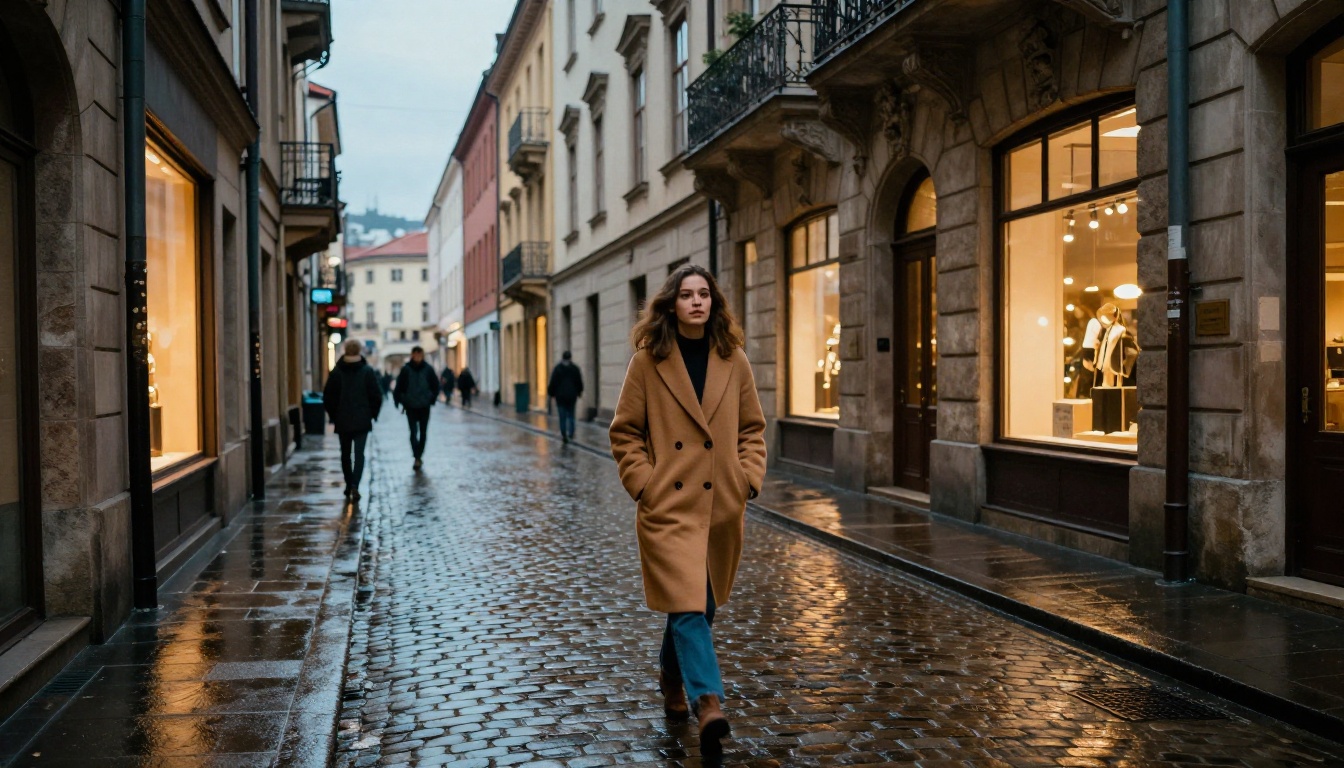
Fashion content is the second major category dominating Nano Banana 2 social posts. The model handles fabric textures, outdoor environmental interaction, and the relationship between clothing and ambient light with a level of detail that surprises people on first encounter.
The combination of fast generation speed and fashion-grade output quality makes it ideal for mood boarding, concept visualization for shoots, and social content at volume.
Scenic and Travel Content
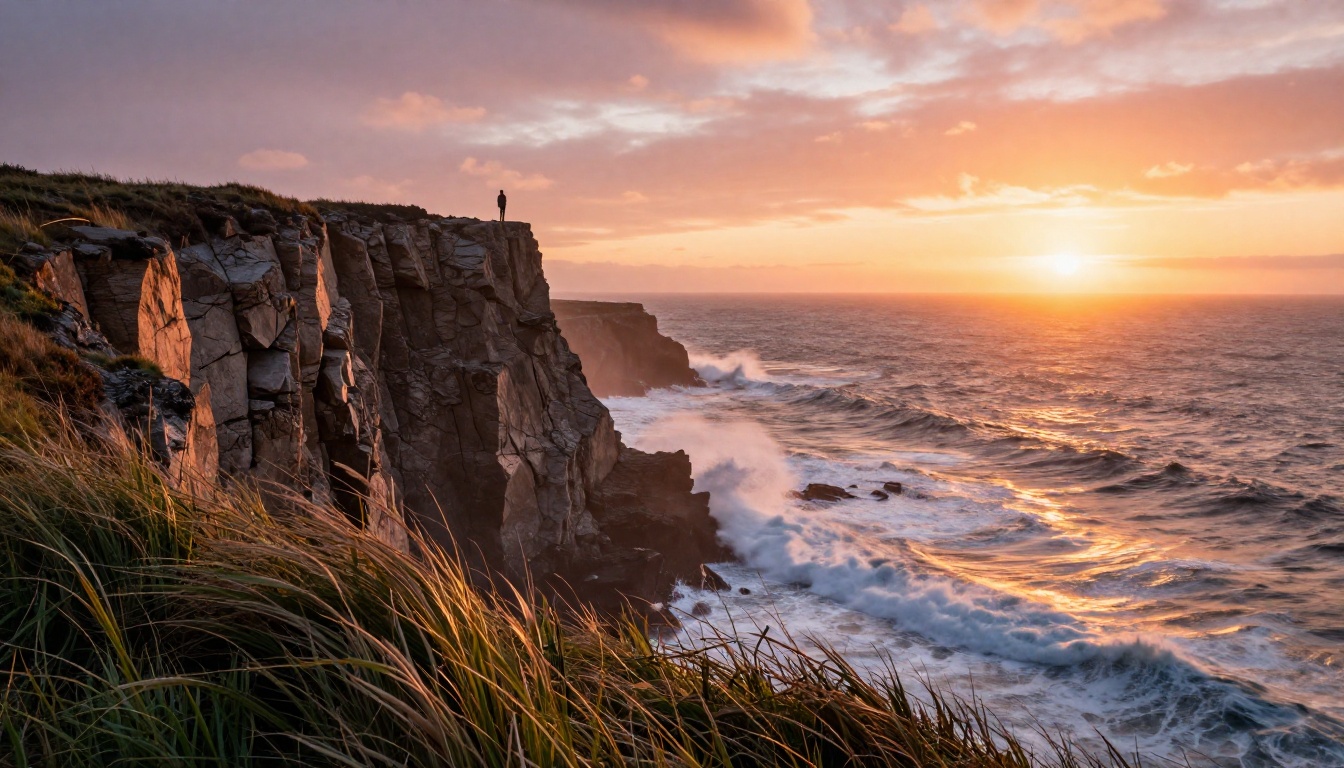
Landscape and travel photography prompts are producing outputs that hold up at full display size. Aerial perspectives and wide landscape shots are becoming popular for blog headers, social media banners, and editorial content where stock photography feels overused.
Travel content creators and digital agencies are specifically noting the model's ability to generate location-specific visuals with an authenticity that older models struggled with. The results read less like stock photos and more like actual editorial captures.
The Nano Banana Model Family
Nano Banana 2 does not exist in isolation. Google has built out a full family of models in this line, each targeting a different point on the capability spectrum and available across PicassoIA's text-to-image collection.
Nano Banana (Original)
Nano Banana is the first-generation model that established the line's reputation for accessible speed. It remains available on PicassoIA and retains strong adoption for use cases where its specific rendering characteristics are preferred over the second generation.
The original model has a subtly different output signature from Nano Banana 2, with some users preferring its handling of specific lighting conditions and color grading. Having both available on the same platform means you can compare outputs directly and choose the right tool for each project rather than committing to one without context.
Nano Banana Pro
Nano Banana Pro sits above Nano Banana 2 in Google's lineup, targeting the premium end of the quality spectrum while maintaining better accessibility than the full Imagen 4 pipeline. For projects where Nano Banana 2's speed advantage is not the primary requirement and maximum detail fidelity matters more, Nano Banana Pro is the natural step up within the same model family.
The three-model lineup gives creators a genuine choice based on actual workflow needs rather than forcing a binary between speed and quality.

The Google text-to-image model family on PicassoIA:
| Model | Speed | Quality Ceiling | Best Use Case |
|---|
| Nano Banana | Fast | High | Volume, drafts, rapid ideation |
| Nano Banana 2 | Very Fast | Very High | Social content, rapid iteration workflow |
| Nano Banana Pro | Moderate | Premium | Detail-critical projects, higher fidelity |
| Imagen 4 | Slower | Maximum | Commercial and editorial hero images |
The existence of this family is itself part of why the conversation around Nano Banana 2 is so active. People are not just talking about one model, they are exploring an entire ecosystem and sharing their findings across communities in real time.
Start Creating Right Now
The numbers behind Nano Banana 2's social moment are real, and the outputs speak for themselves. But reading about a model and actually running prompts through it are two completely different experiences. The speed at which it returns results, and the quality of what it returns, are both things that need to be experienced directly to fully understand why this model is having the moment it is having.

PicassoIA gives you direct access to Nano Banana 2 alongside the full Google model family and over 90 other text-to-image models, including Flux 2 Pro, Flux 2 Dev, Seedream 4, Ideogram V3 Quality, and GPT Image 1.5. All accessible from a single platform without switching tools, managing API keys, or dealing with separate account setups.
Beyond image generation, PicassoIA also gives you access to video generation, background removal, super resolution upscaling, face swap tools, lipsync, and AI music generation, making it a complete creative production platform rather than a single-model showcase.
If you want to understand firsthand why Nano Banana 2 is the model everyone is talking about right now, the most direct path is to open it, type a prompt, and see what comes back. The speed alone will make the argument for you.


