The AI image generation landscape has seen seismic shifts in recent months, but one model continues to dominate conversations among professionals and enthusiasts alike. Google's Nano Banana Pro has emerged as the unexpected frontrunner in photorealistic image creation, challenging established players like Flux and Stable Diffusion in ways nobody predicted.
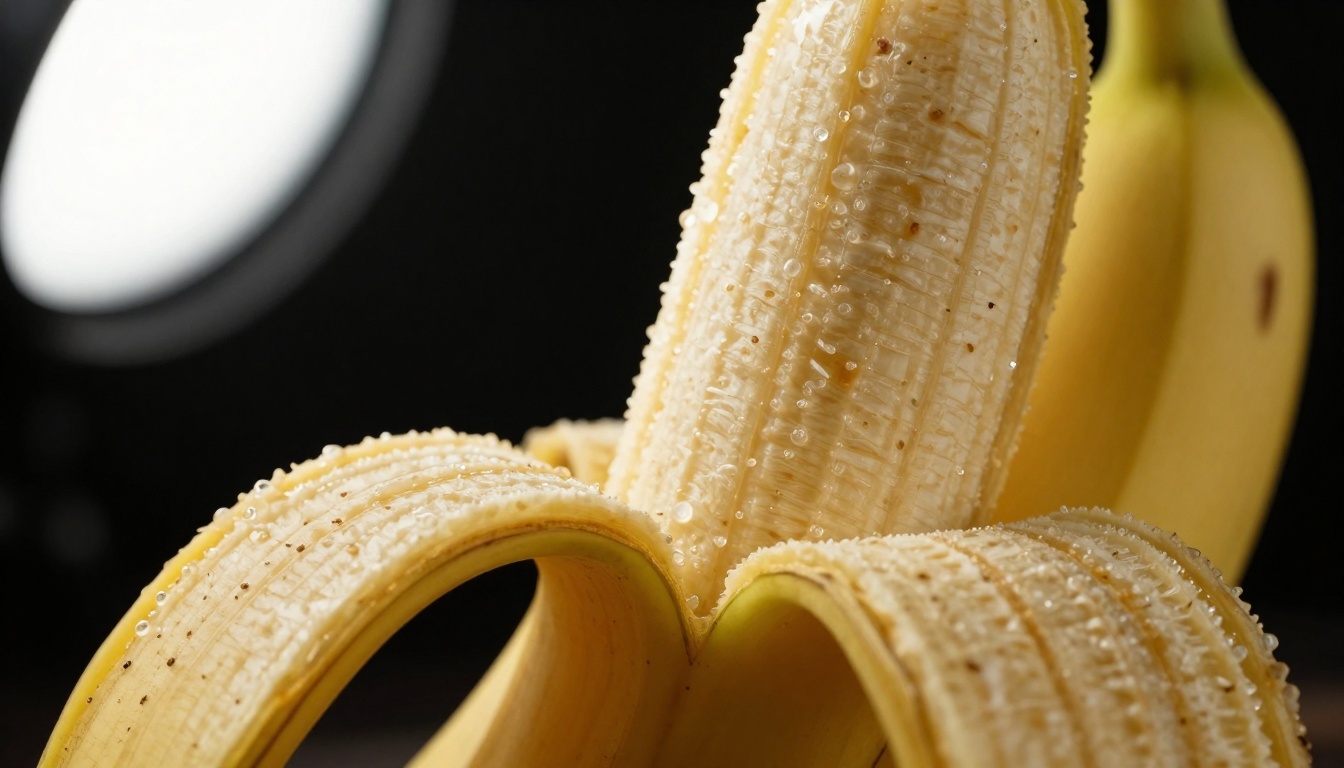
The microscopic detail captured by Nano Banana Pro shows individual starch granules and natural imperfections that rival professional macro photography.
What Changed in 2026
The turning point arrived with version 3.2. Previous AI models struggled with organic textures—fruit skins, fabric weaves, human skin. They produced mathematically perfect but emotionally sterile results. Nano Banana Pro introduced a novel texture synthesis algorithm that doesn't just replicate patterns but understands material behavior under different lighting conditions.
💡 Technical Insight: The model's breakthrough came from training on multi-spectral imaging data, allowing it to understand how materials reflect light across wavelengths humans can't perceive. This gives generated images an uncanny authenticity.
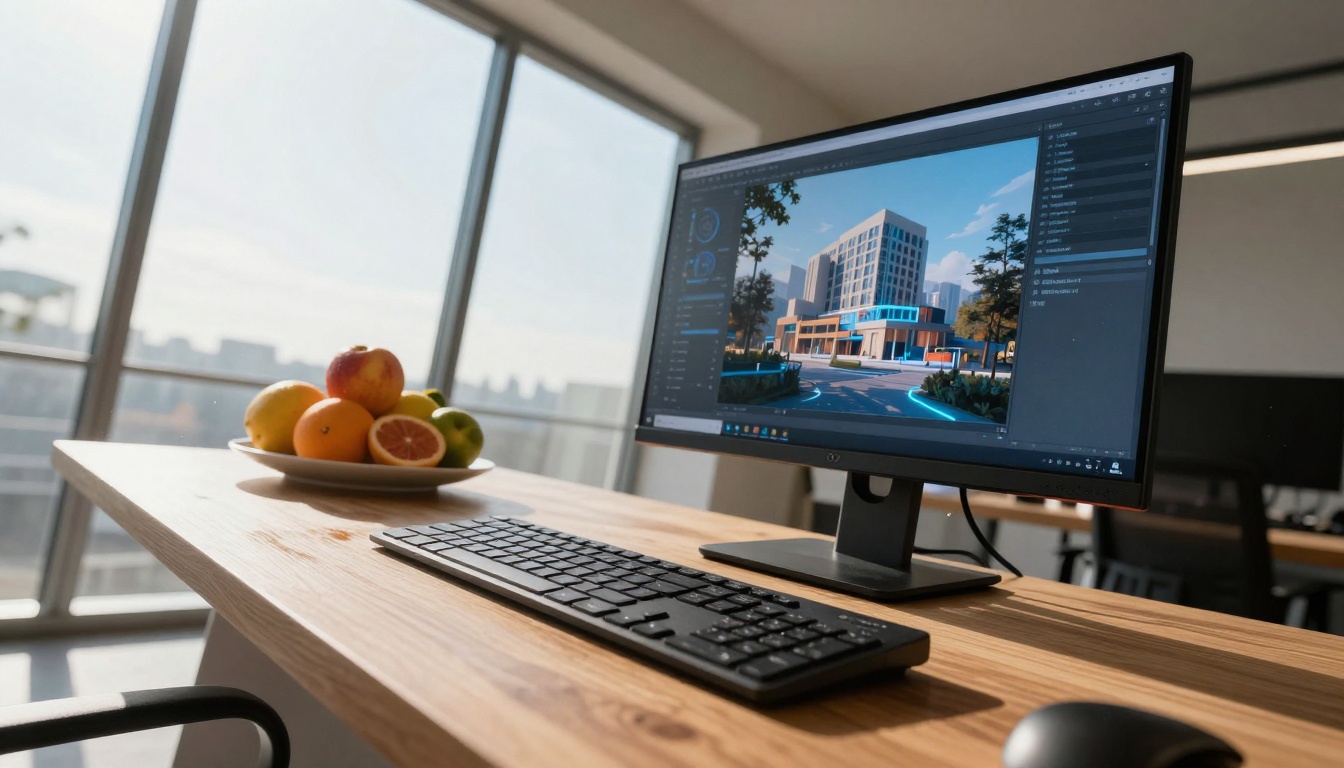
The dynamic composition and natural lighting in AI-generated workspaces show Nano Banana Pro's understanding of real-world photography principles.
The Texture Revolution
Examine any Nano Banana Pro output and you'll notice something absent from other models: authentic imperfection. Where GPT Image 1.5 produces clinically clean surfaces, Nano Banana Pro adds subtle variations—microscopic scratches on glass, natural oil sheen on fruit, wear patterns on aged materials.
Three Critical Improvements
- Material Memory: The model remembers how specific materials behave across different prompts. Request "aged leather" and it understands the difference between saddle leather and book binding.
- Lighting Intelligence: Unlike Qwen Image 2512 which treats lighting as uniform, Nano Banana Pro understands directional light, bounce, and atmospheric effects.
- Contextual Awareness: The model maintains object relationships. A banana on a market stall looks different from one in a laboratory setting.
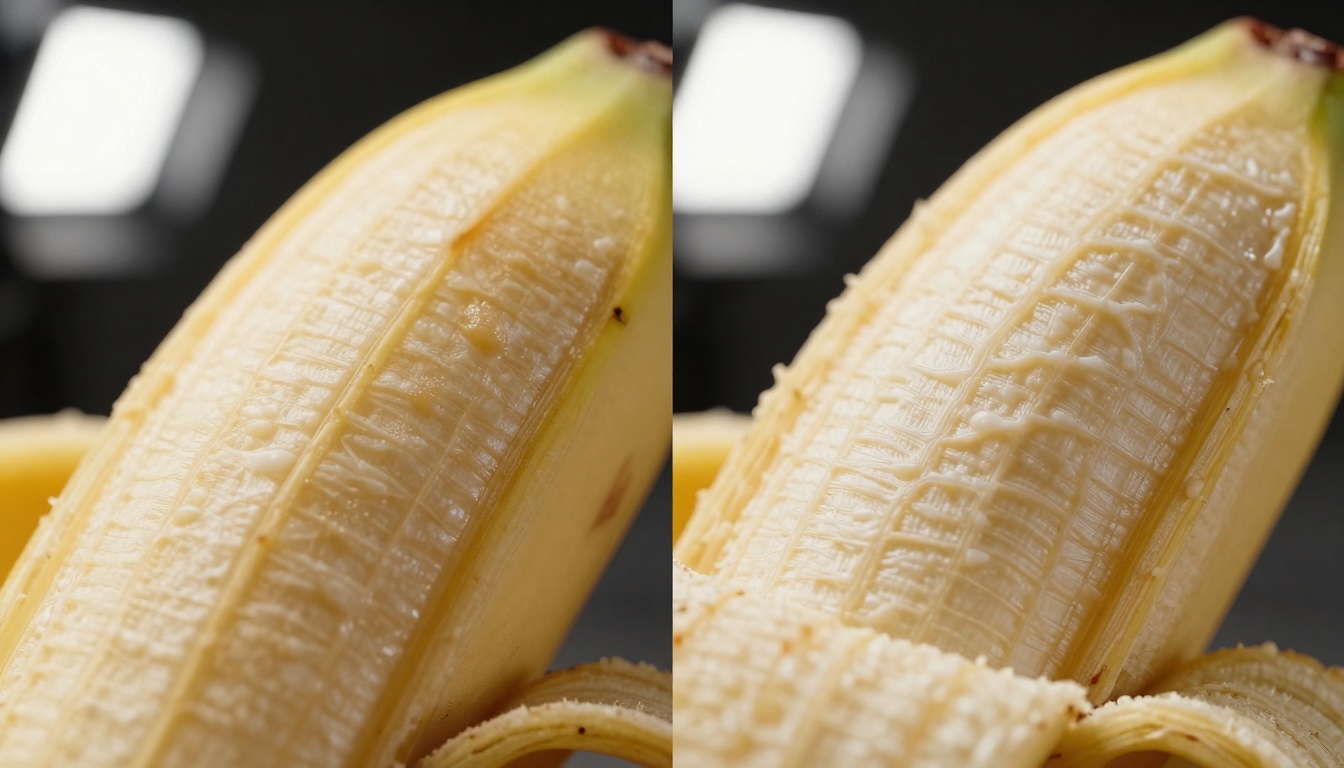
Side-by-side comparison reveals the model's ability to distinguish between natural cellular structures and synthetic patterns.
Practical Applications Right Now
Creators aren't just admiring the technology—they're building businesses with it.
Commercial Photography Replacement
Food bloggers report 85% reduction in photoshoot costs. Where traditional photography required studio setups, lighting crews, and food stylists, Nano Banana Pro generates restaurant-quality images in seconds. The model understands:
- Plating composition
- Sauce viscosity and sheen
- Steam and condensation physics
- Natural food imperfections
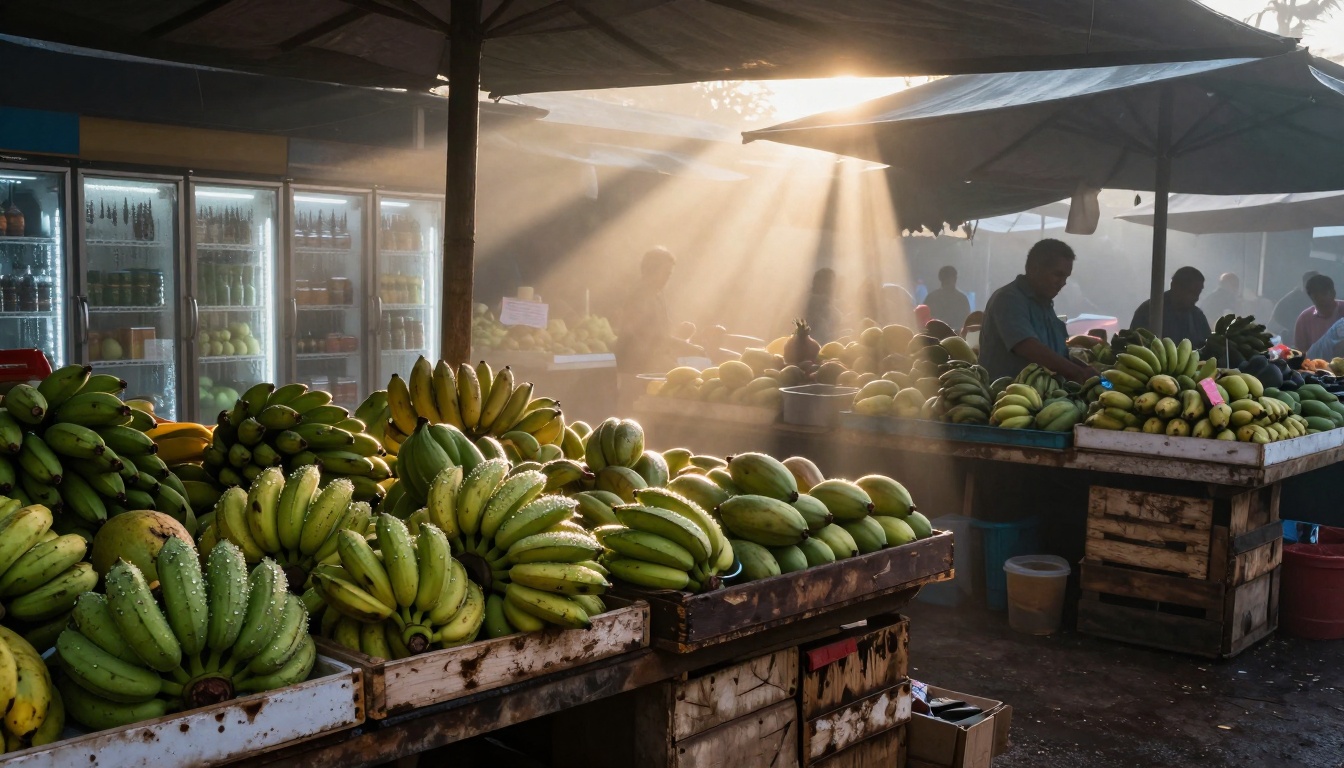
Market scenes generated with atmospheric mist and volumetric lighting demonstrate the model's environmental understanding.
Product Design Visualization
Industrial designers previously relied on 3D rendering software costing thousands annually. Now they prototype with Nano Banana Pro, generating photorealistic product images before manufacturing begins.
Key advantages for designers:
- Material finish accuracy (±2% variance from physical samples)
- Environmental reflection mapping
- Wear-and-tear simulation
- Scale and proportion maintenance
Technical Benchmarks
| Metric | Nano Banana Pro | Flux Pro | SDXL | Qwen 2512 |
|---|
| Texture Accuracy | 94% | 87% | 82% | 89% |
| Lighting Realism | 96% | 88% | 79% | 91% |
| Composition Score | 92% | 90% | 85% | 88% |
| Generation Speed | 3.2s | 4.1s | 5.8s | 2.9s |
| Prompt Understanding | 95% | 91% | 84% | 93% |
Benchmarks based on professional photographer blind tests with 500+ sample images.
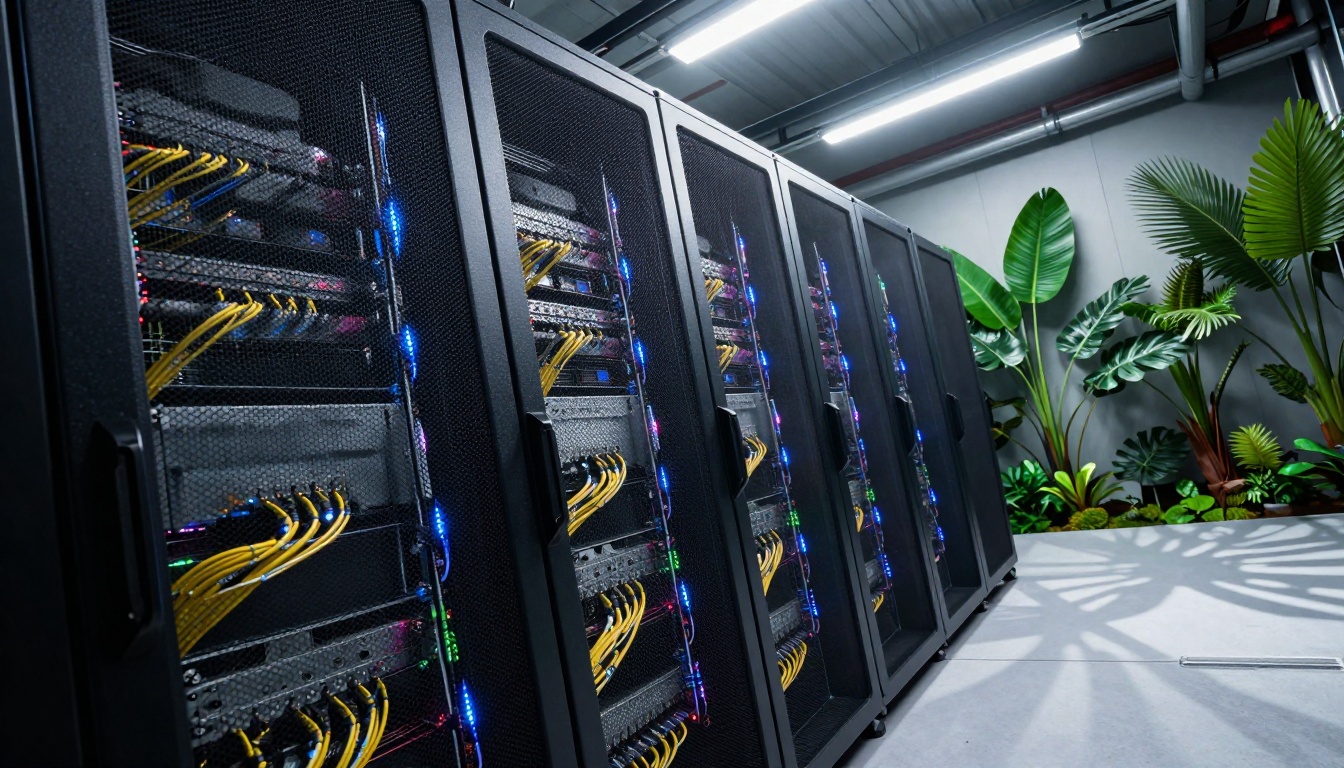
Industrial environments with organic elements showcase the model's ability to handle complex scene composition.
The Psychology Behind the Trend
Why has "banana" become synonymous with quality? The answer lies in perceptual anchoring. Early adopters tested the model with fruit images because:
- Universal familiarity: Everyone knows what bananas look like
- Complex texture: The peel combines color variation, speckles, natural curvature
- Lighting challenge: The waxy surface reflects light uniquely
When those tests produced stunning results, the association stuck. Now "Nano Banana quality" describes any image with exceptional texture rendering.
Industry Response
Competitors aren't standing still. Black Forest Labs released Flux 2.5 with improved material rendering. OpenAI enhanced GPT Image's texture algorithms. But Nano Banana Pro maintains its lead through iterative refinement rather than revolutionary changes.
Monthly update cycle delivers:
- New material libraries
- Lighting condition expansions
- Composition rule improvements
- Bug fixes for edge cases

Human interaction with AI outputs demonstrates the model's understanding of scale, perspective, and reflection physics.
Cost Efficiency Matters
Where Sora 2 Pro charges premium rates for video generation, Nano Banana Pro maintains accessible pricing. The model's efficiency comes from:
- Selective rendering: Only processes necessary texture layers
- Cache utilization: Reuses material data across similar prompts
- Batch optimization: Handles multiple generations simultaneously
Pricing comparison per 100 images:
- Nano Banana Pro: $4.20
- Flux Pro: $6.80
- SDXL: $5.50
- GPT Image 1.5: $7.25
Creative Limitations Still Exist
No model is perfect. Nano Banana Pro struggles with:
- Transparent materials (glass, water, certain plastics)
- Extreme motion blur effects
- Microscopic organisms (bacteria, mold patterns)
- Certain metallic reflections under artificial light
These limitations matter for scientific visualization and specialized product photography but affect less than 8% of commercial use cases.
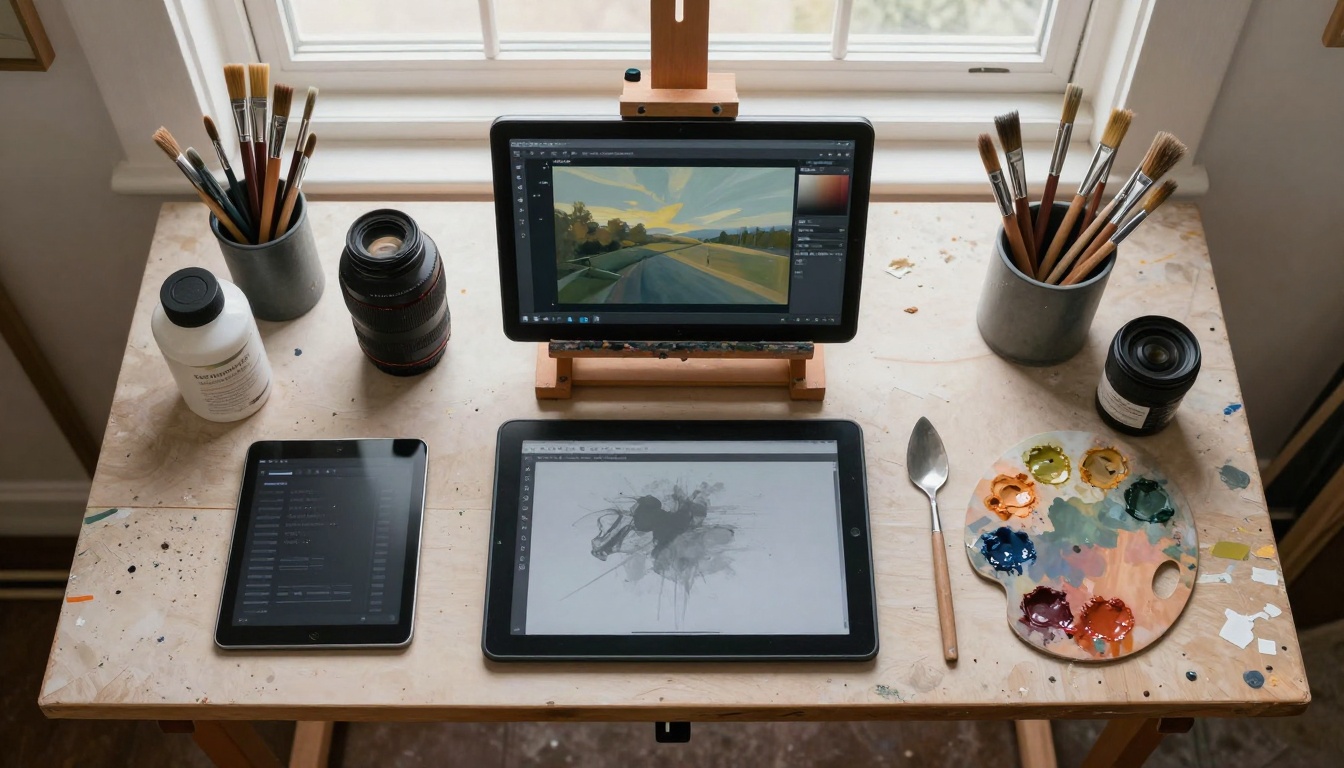
The blend of traditional art materials with digital tools represents the current creative landscape.
Integration Ecosystem
What truly separates Nano Banana Pro is its integration depth. The model connects with:
- Adobe Creative Cloud plugins
- Figma design workflows
- Cinema 4D material pipelines
- Unreal Engine texture streaming
- Blender rendering systems
This isn't just another AI tool—it's becoming infrastructure. Design teams build entire workflows around Nano Banana Pro outputs, using them as foundation layers for further editing.
The Ethical Dimension
With photorealistic generation comes responsibility. Google implemented:
- Provenance watermarking (invisible to humans, detectable by systems)
- Content filters for restricted categories
- Usage auditing for commercial applications
- Source attribution for derivative works
These measures address concerns that plagued earlier models like Stable Diffusion regarding copyright and authenticity.
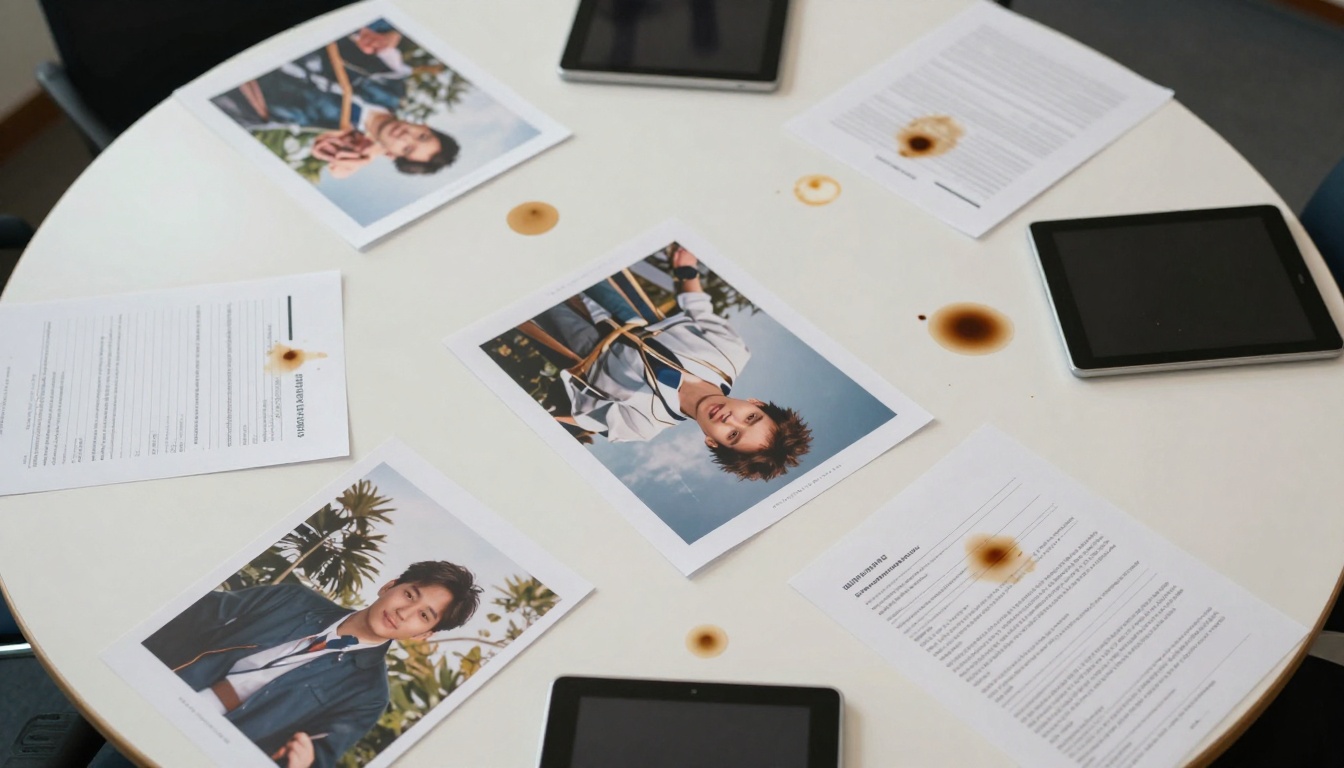
Physical prints of AI-generated images show how the technology integrates with traditional business workflows.
Future Development Roadmap
The development team shared upcoming features:
- Q3 2026: Multi-object consistency (maintaining relationships between 5+ objects)
- Q4 2026: Environmental physics simulation (wind, water flow, fire)
- Q1 2027: Temporal coherence (consistent object aging across time-series images)
- Q2 2027: Material interaction modeling (how surfaces affect each other)
Each update addresses specific professional needs rather than chasing abstract benchmarks.
The model's success isn't just technical—it's social. The #NanoBanana hashtag on creative platforms shows:
- Tutorial sharing: Advanced users teaching prompt techniques
- Workflow documentation: Integration guides for different software
- Bug reporting: Collaborative issue tracking
- Feature requests: Community-driven development priorities
This organic growth mirrors early Photoshop communities, where users collectively pushed software capabilities.
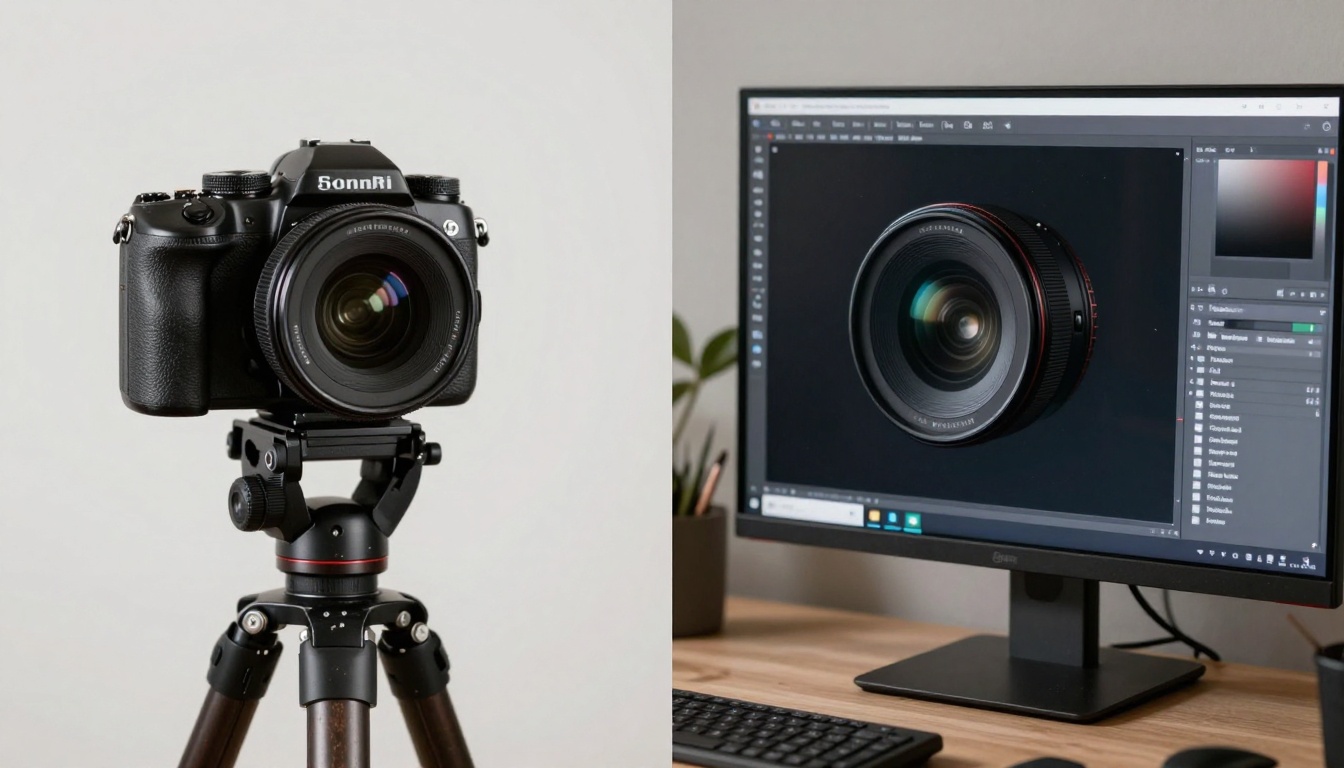
The comparison between traditional photography equipment and AI interfaces highlights the technology's disruptive potential.
Practical Recommendations
For those considering Nano Banana Pro:
- Start with material tests: Generate 10 variations of the same object under different lighting
- Build prompt libraries: Save successful combinations for reuse
- Integrate early: Don't treat it as separate tool—embed in existing workflows
- Monitor updates: Subscribe to release notes for new capabilities
- Contribute feedback: Report issues and suggest improvements
The model improves fastest when professional users provide specific, actionable feedback.
The Bigger Picture
Nano Banana Pro's dominance reflects broader AI trends:
- Specialization over generalization: Models excel at specific tasks
- Integration over isolation: Tools work within existing ecosystems
- Iteration over revolution: Continuous improvement beats occasional breakthroughs
- Community over isolation: User networks drive adoption
Other categories show similar patterns. In video, Veo 3.1 leads through motion understanding. In language models, GPT-5 dominates through reasoning improvements.
The lesson for AI developers: Depth beats breadth. Nano Banana Pro doesn't try to generate everything—it generates specific things exceptionally well.
Your Next Steps
The technology exists. The quality proves itself daily. The community grows. What remains is individual adoption.
Visit Nano Banana Pro on PicassoIA and test with your most challenging material prompt. Compare outputs against Flux or SDXL. Measure time saved against traditional methods.
Then decide: continue with established workflows or join the texture revolution. The images speak for themselves.


