The creative landscape shifted overnight when professionals discovered they could generate photorealistic images without expensive equipment or years of technical training. What started as curiosity became necessity when agencies realized the competitive edge provided by AI tools that deliver studio-quality results in minutes rather than days. This isn't about replacing photographers—it's about empowering them with capabilities previously reserved for major studios with six-figure budgets.
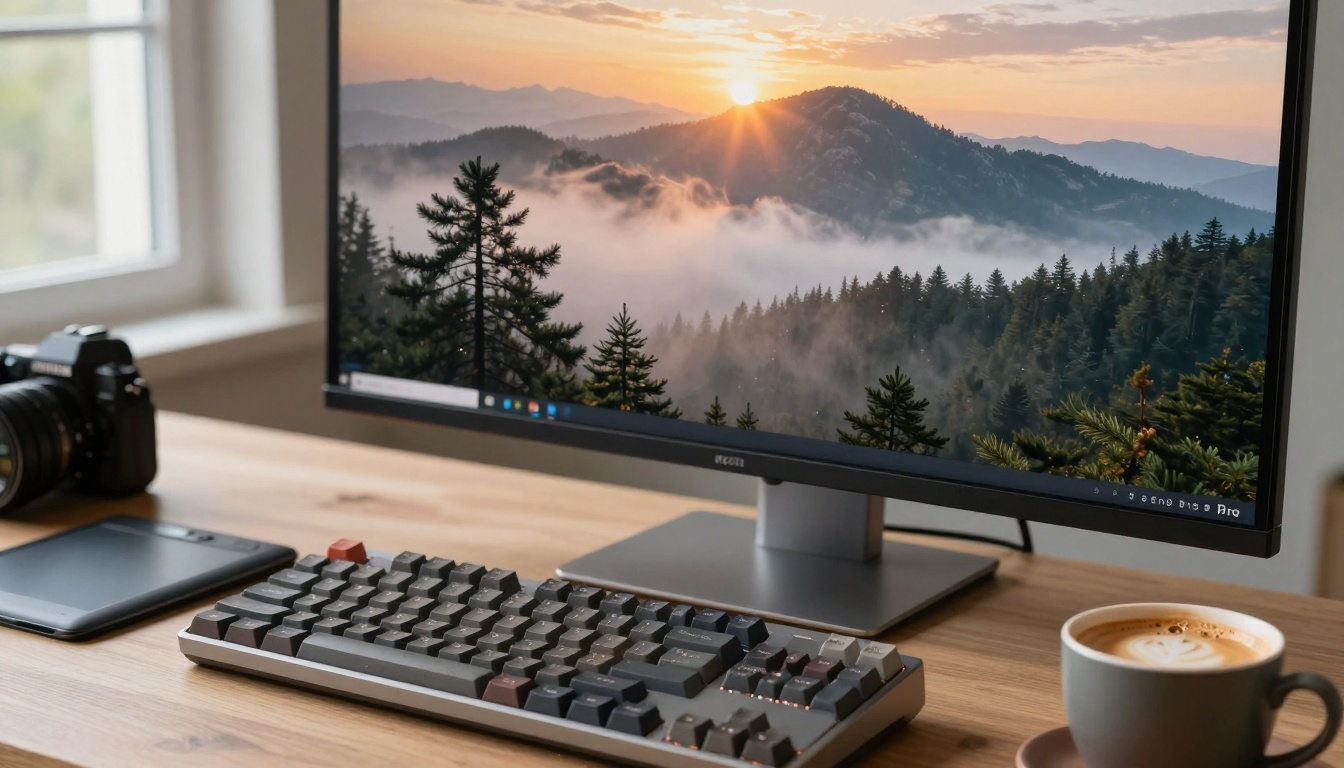
Macro close-up of modern workstation showing Nano Banana Pro generating breathtaking landscapes
The moment everyone realized traditional workflows were obsolete came when creative teams could iterate through concepts faster than clients could review them. The bottleneck shifted from production capacity to creative vision—suddenly the limiting factor wasn't technical skill but imagination. This fundamental shift explains why Nano Banana Pro dominates conversations from agency boardrooms to freelance Slack channels.
What Changed Everything
Three factors converged to make AI image generation unavoidable:
- Photorealism crossed the uncanny valley - Early AI images looked synthetic. Today's outputs from models like Flux-2-Max and GPT-Image 1.5 match professional photography quality
- Workflow integration became seamless - Tools like P-Image Edit allow iterative refinement instead of starting from scratch
- Cost barriers evaporated - What required $10,000 in equipment now costs cents per generation
💡 The real breakthrough: AI doesn't replace creativity—it removes technical friction. The best photographers use Nano Banana Pro not as replacement but as extension, generating reference images, testing compositions, and exploring directions before committing to physical shoots.
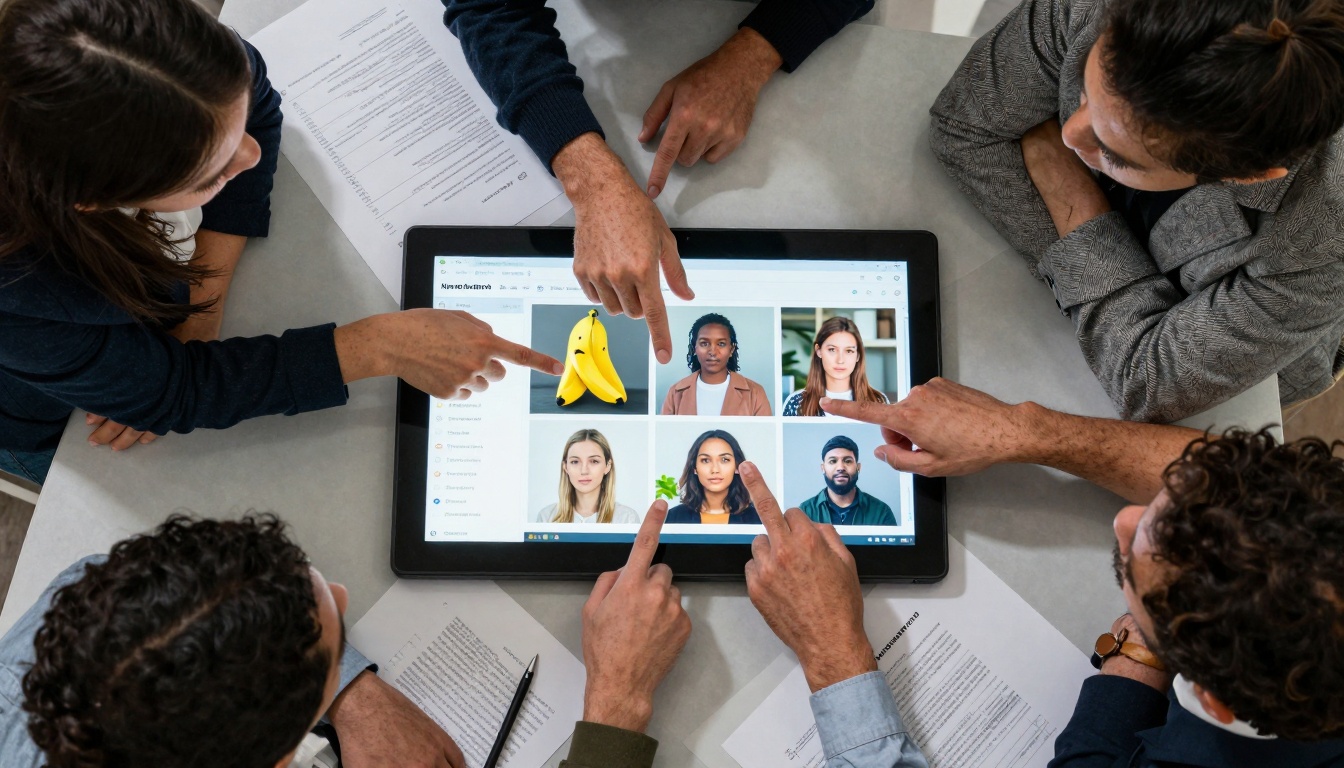
Aerial view of creative team reviewing Nano Banana Pro outputs on touchscreen display
How Professionals Actually Use It
The adoption patterns reveal why this isn't another tech hype cycle:
Photographers use it for:
- Location scouting without travel
- Testing lighting setups virtually
- Creating client mood boards instantly
- Generating stock-like images for comps
Design agencies leverage it for:
- Rapid concept iteration
- Client presentation materials
- Social media content at scale
- Product mockups before manufacturing
Content creators benefit through:
- Consistent visual branding
- YouTube thumbnails that perform
- Instagram content that stands out
- Newsletter graphics without design skills
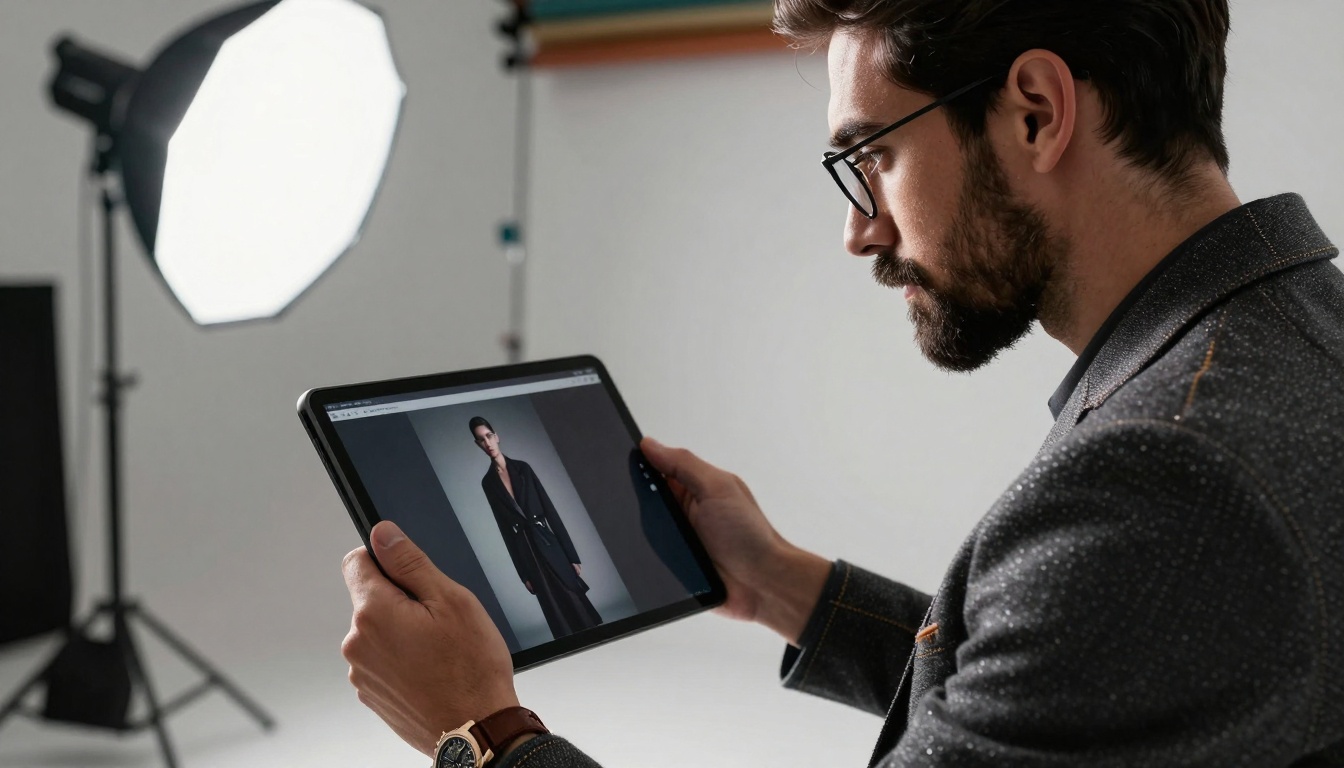
Fashion photographer reviewing Nano Banana Pro outputs in studio setting with professional lighting
The Technical Edge Nobody Mentions
While everyone discusses the creative possibilities, the technical advantages create sustainable competitive moats:
| Advantage | Traditional Workflow | With Nano Banana Pro |
|---|
| Iteration Speed | Hours/days between concepts | Minutes between variants |
| Cost Per Image | $50-500+ (model, location, equipment) | $0.10-2.00 per generation |
| Consistency | Varies with conditions, models, moods | Pixel-perfect reproducibility |
| Specialization | Limited to photographer's expertise | Access to any style, any location |
| Scalability | Linear with team size | Exponential with compute |
The table reveals why agencies that adopt first gain permanent advantages. When you can test 50 concepts in the time competitors test 5, you'll consistently deliver better work.
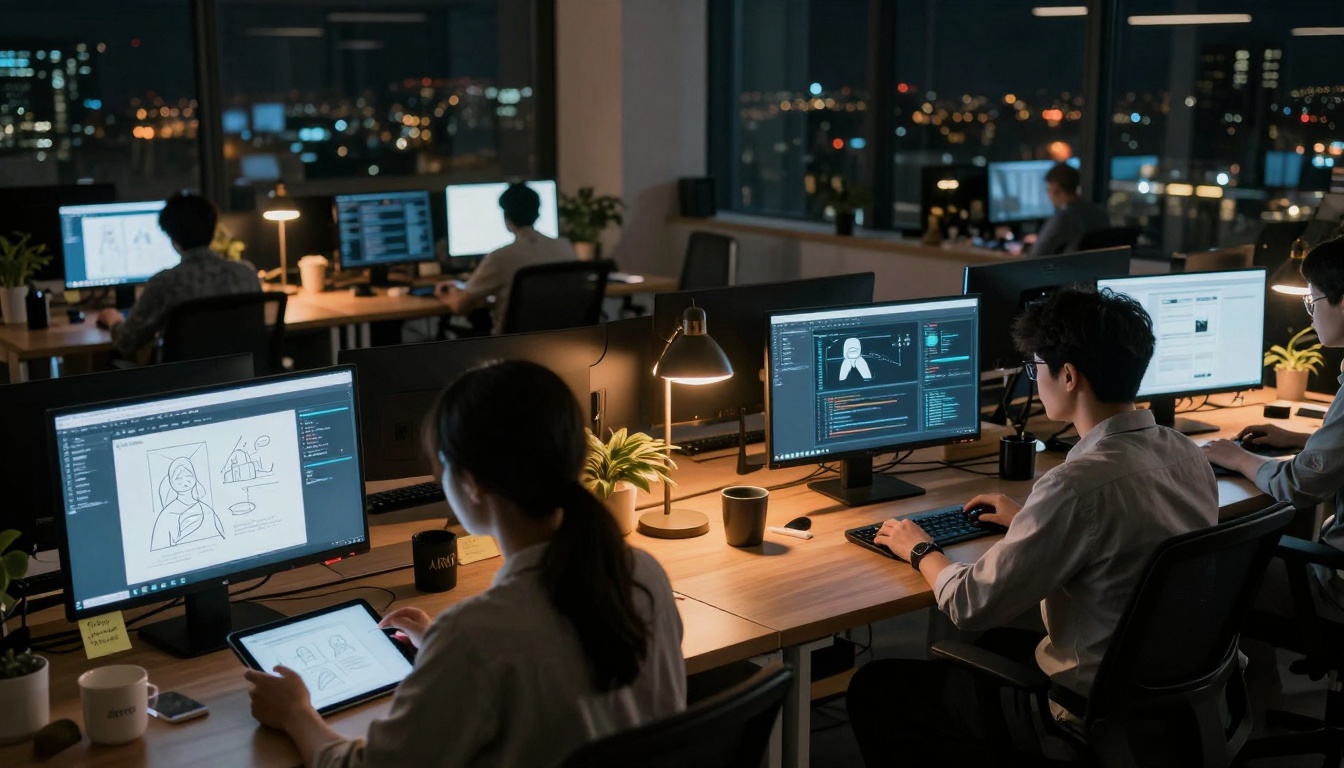
Cinematic night scene showing digital agency with multiple workstations using AI tools
The Integration That Works
Successful teams don't use AI in isolation—they weave it into existing workflows:
Pre-production Phase
- Client brief arrives
- Generate 20+ concept variations with Nano Banana Pro
- Present refined options faster than competitors can schedule shoots
- Client selects direction with confidence
Production Phase
- Use AI-generated references to guide actual photography
- Test lighting setups virtually before physical setup
- Generate backup options for unpredictable conditions
Post-production
- Fill gaps where physical photography fell short
- Create supplemental materials (social, web, print)
- Maintain visual consistency across all deliverables
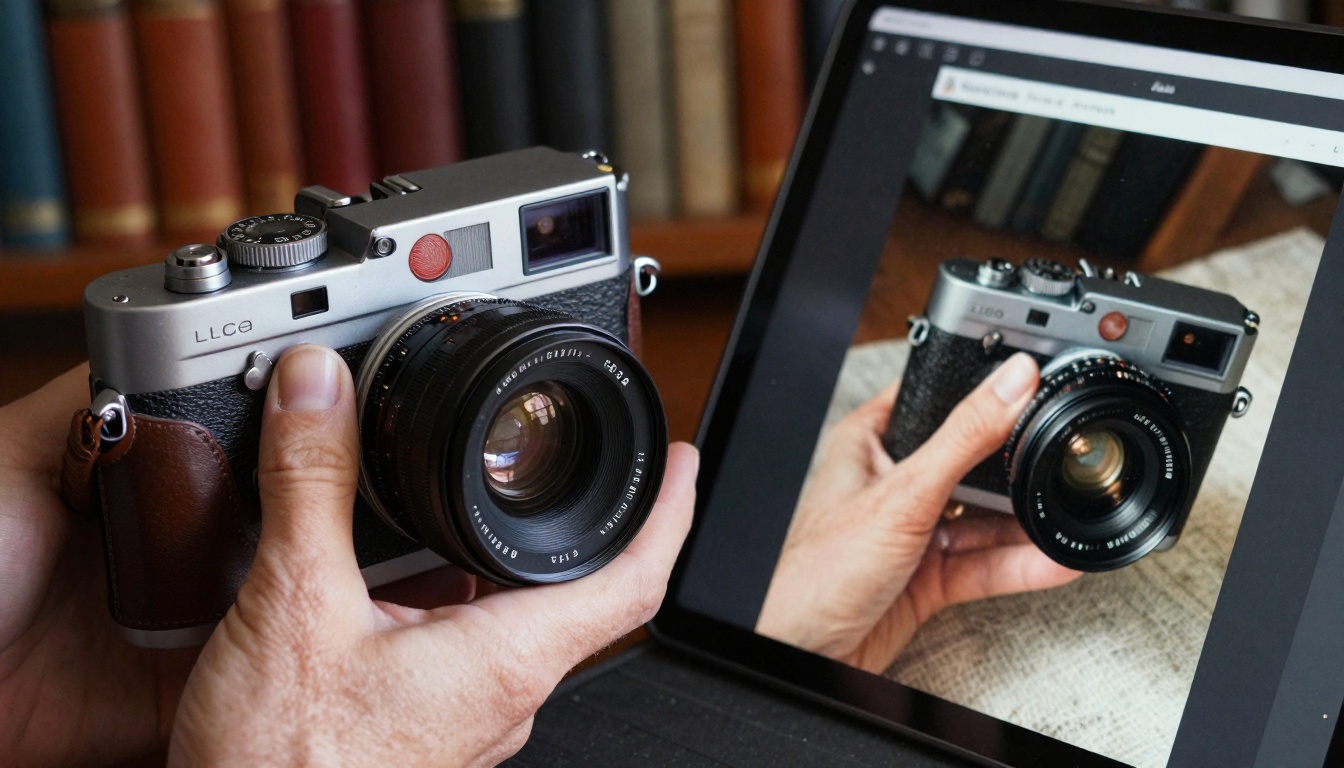
Close-up comparison between vintage film camera and modern tablet showing AI-generated film aesthetic
Why Resistance Faded
Initial skepticism followed predictable patterns:
- "It won't match professional quality"
- "Clients will know it's AI"
- "It removes the art from photography"
These objections dissolved when:
- Quality surpassed expectations - Side-by-side comparisons showed indistinguishability
- Client reactions proved positive - Faster iterations meant happier clients
- Creative output increased - Artists spent more time creating, less time executing
The pivotal moment came when photographers realized they could charge premium rates for AI-assisted work because the value delivered increased, not decreased. Clients pay for results, not methods.
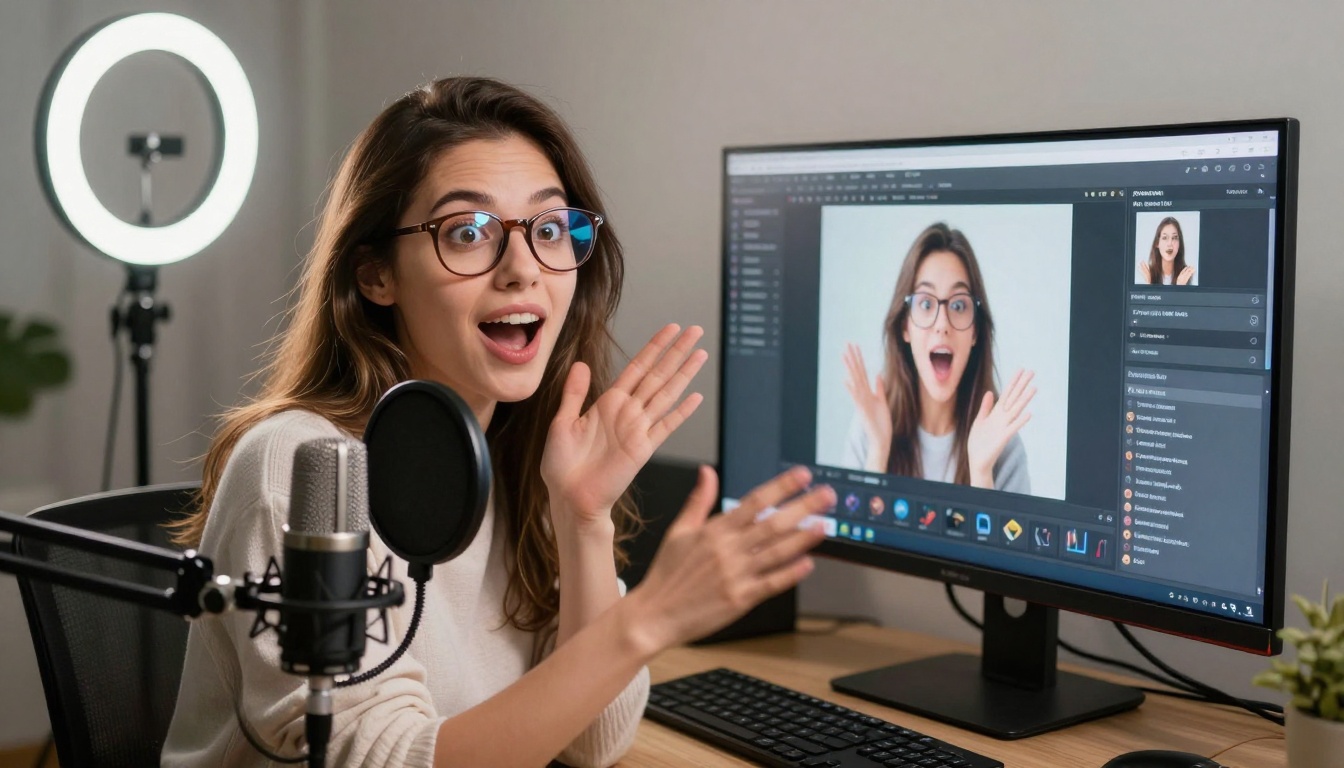
Content creator livestreaming with real-time AI image generation
The Economic Reality
The numbers explain widespread adoption:
For freelancers:
- Monthly photography costs: $500-2000
- Nano Banana Pro monthly: $20-100
- Savings: 80-95%
For agencies:
- Annual photography budget: $50,000-500,000
- AI integration cost: $5,000-20,000
- ROI: 10x+ in first year
For enterprises:
- Global campaign photography: $250,000-2,000,000
- AI-assisted production: $25,000-200,000
- Scaling ability: Unlimited
These economics create inevitability. Once one competitor adopts, others must follow or face irrelevance.
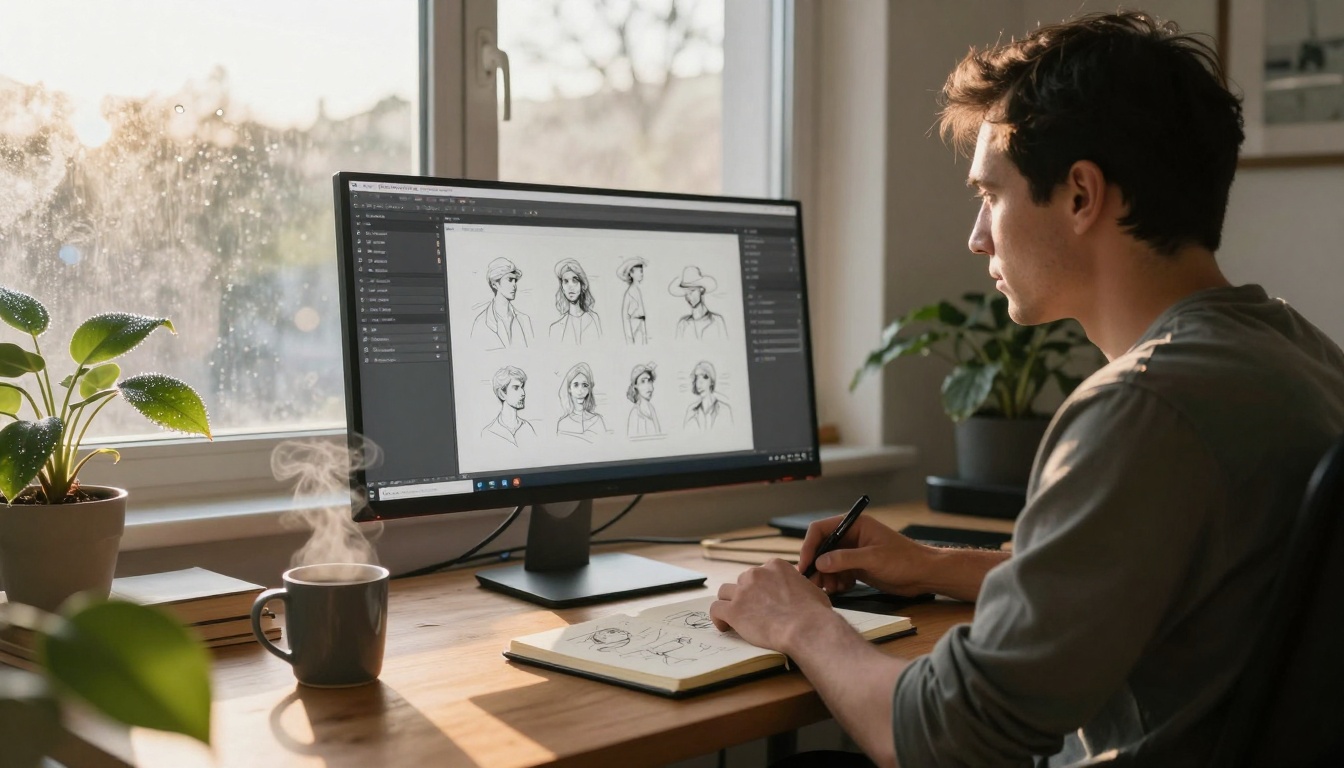
Serene home office scene showing perfect integration of AI tools into morning creative workflow
The Skills That Matter Now
The skill shift reveals why adoption accelerated:
Diminishing importance:
- Technical camera operation
- Lighting setup mastery
- Post-production software expertise
Increasing importance:
- Creative direction
- Prompt engineering
- Visual storytelling
- Client communication
The barrier to entry lowered while the ceiling rose. More people can create professional visuals, but the best creators distinguish themselves through vision rather than technical prowess.
How to Start Without Overwhelm
The adoption curve that works:
Week 1: Exploration
- Generate 50 images with simple prompts
- Test different styles (photorealistic, cinematic, editorial)
- Compare outputs to your current work
Week 2: Integration
- Replace one project element with AI generation
- Compare client feedback
- Measure time/cost savings
Week 3: Optimization
- Develop your prompt library
- Create workflow templates
- Train team members
Week 4: Scaling
- Apply to multiple projects
- Develop quality standards
- Measure business impact
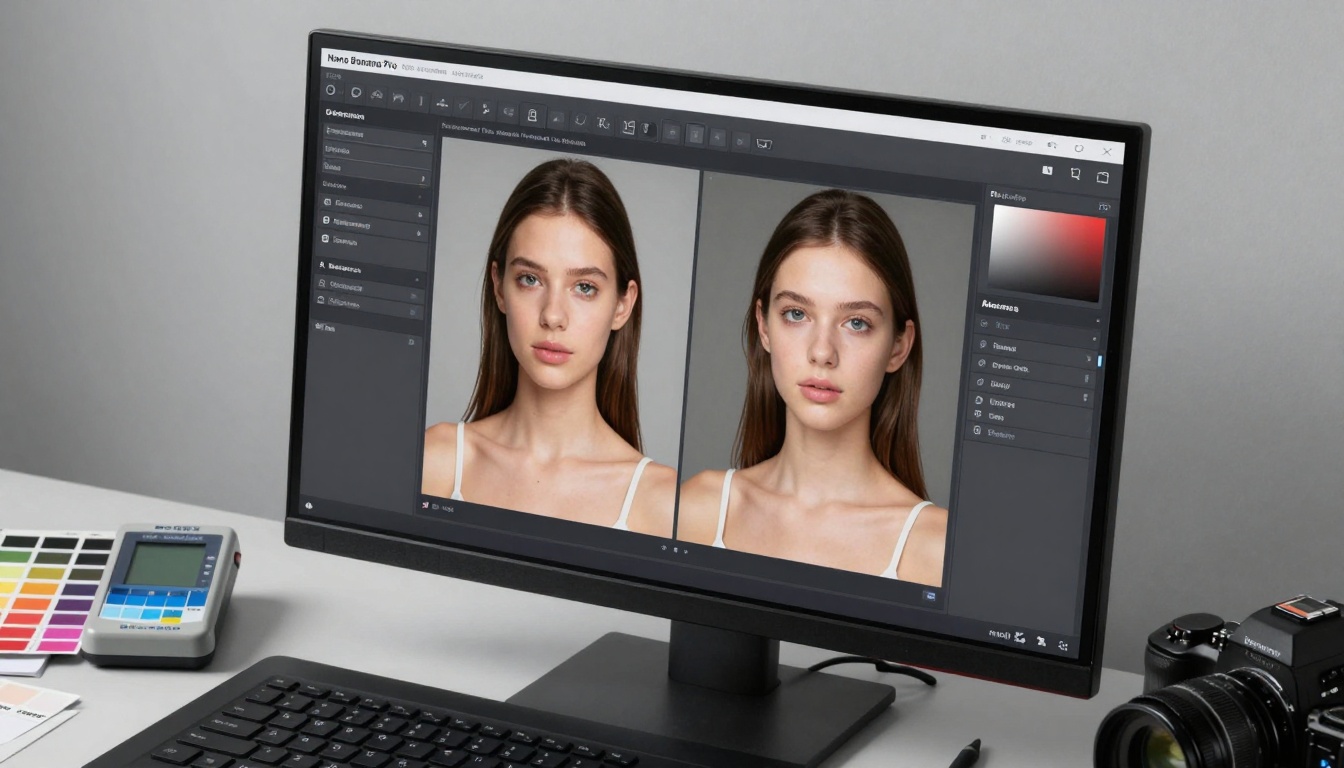
Technical shot showing Nano Banana Pro interface on color-calibrated professional monitor
The Future Already Here
Current applications only scratch the surface:
Immediate developments:
- Real-time generation during client meetings
- Style transfer from reference images
- Batch processing for entire campaigns
Near-term evolution:
- Integration with video via Veo-3.1
- 3D model generation from 2D images
- Custom model training for brand styles
Long-term trajectory:
- Complete virtual production pipelines
- Personalized content at scale
- New creative forms impossible today
The companies investing today will define tomorrow's creative standards.
What This Means for Your Work
The practical implications:
If you're resisting:
- Your competitors are gaining 10x iteration advantage
- Your costs remain 5-10x higher
- Your creative options stay limited
If you're experimenting:
- You're gaining competitive insights
- You're reducing risk through testing
- You're positioning for future shifts
If you're adopting:
- You're setting new quality standards
- You're achieving previously impossible outputs
- You're future-proofing your business
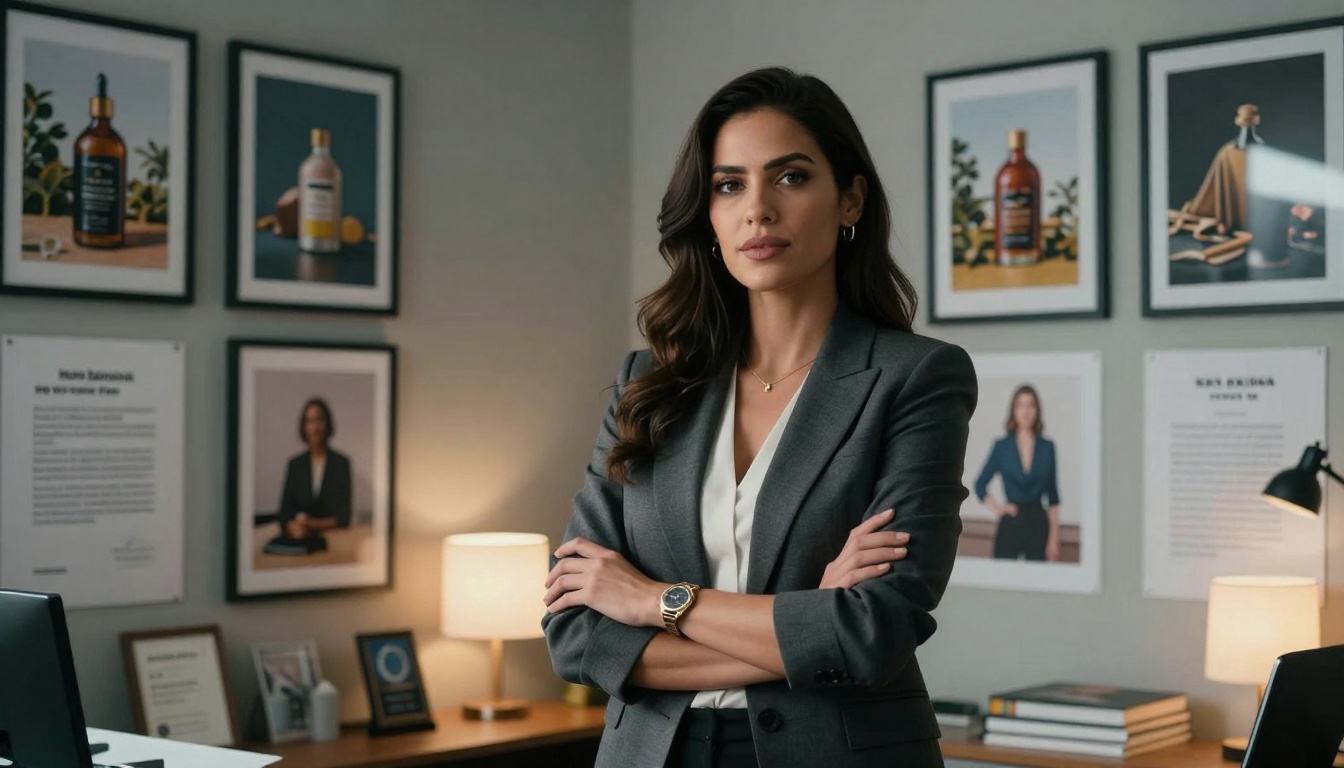
Entrepreneur surrounded by framed prints of AI-generated work that built her business
The Inevitable Conclusion
The question shifted from "should we use AI" to "which AI tools deliver the best results." When Nano Banana Pro generates images indistinguishable from $10,000 photography setups, the economic and creative calculus becomes undeniable.
This doesn't signal the end of photography—it marks the beginning of its next evolution. The photographers thriving today aren't those resisting technology but those mastering it to expand their creative possibilities. They use tools like Flux-2-Pro and Qwen-Image-2512 not as replacements but as collaborators, blending human vision with AI execution to create work previously impossible.
The creative professionals who will define the next decade aren't debating whether to use these tools—they're mastering them today. They're experimenting with prompts, refining workflows, and discovering new applications that competitors haven't imagined. They understand that the tool doesn't create the art—the artist does. The tool merely removes barriers between vision and execution.
Your next project could benefit from this integration. The images throughout this article demonstrate what's possible—not as future speculation but as current reality. The workstation setups, the team collaborations, the entrepreneur's success—these aren't hypothetical scenarios. They're happening in studios and agencies right now.
The transition happened while everyone was debating ethics. The adoption occurred while skeptics were questioning quality. The revolution unfolded while traditionalists were defending methods. Now the evidence is undeniable, the quality is proven, and the economic advantages are measurable.
What separates tomorrow's leaders from today's followers isn't access to technology—it's the willingness to experiment, adapt, and master tools that redefine creative possibilities. The best time to start was yesterday. The second-best time is now.


