The digital landscape for creators has undergone a seismic shift in the last five years. Where once gatekeepers and platform restrictions dictated what could be created, shared, and monetized, a new generation of AI-powered platforms has emerged that removes these traditional barriers. Young creators—those in their teens, twenties, and early thirties—are flocking to these "AI without limits" platforms in unprecedented numbers, and the reasons are both psychological and practical.
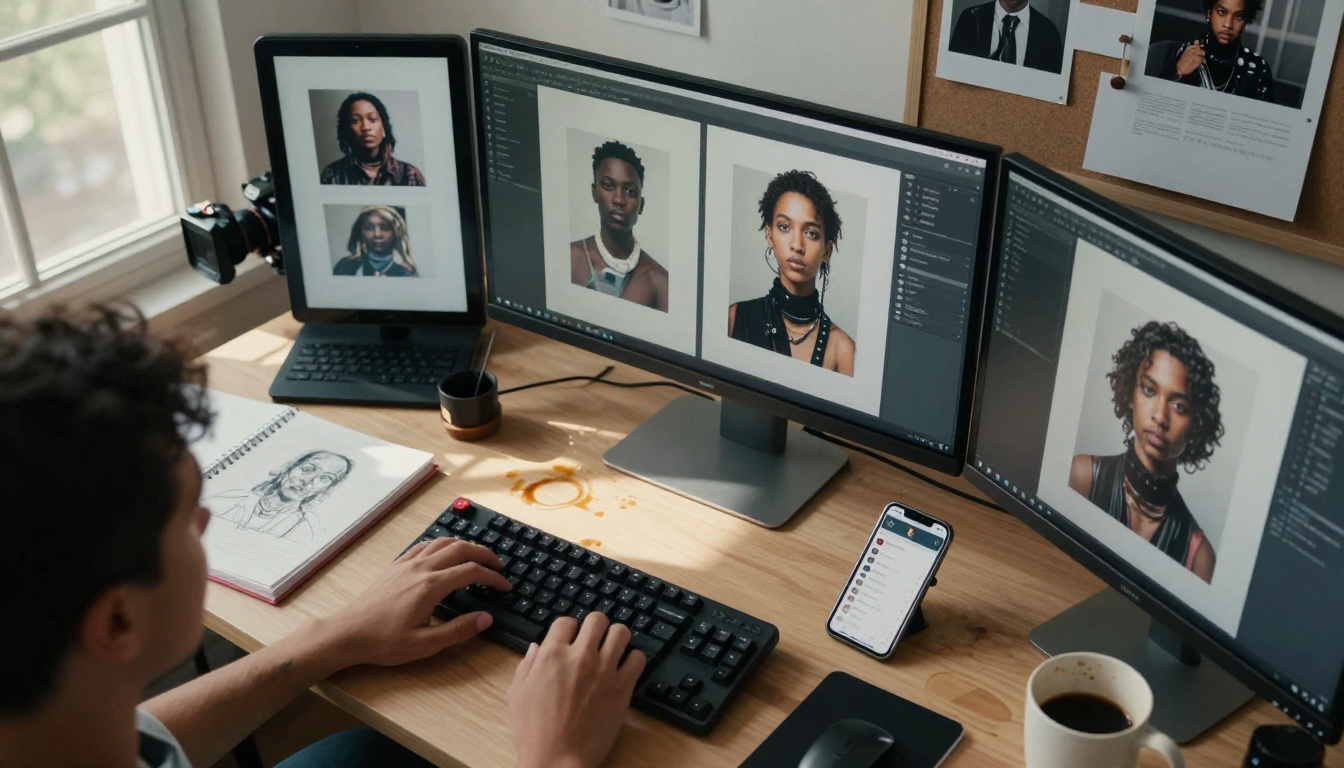
The Psychology of Creative Frustration
Young creators today grew up in an environment where digital expression was both ubiquitous and heavily moderated. Social media platforms that promised creative freedom often delivered the opposite: algorithmic suppression of certain content types, arbitrary community guidelines, and inconsistent enforcement that left creators confused and frustrated.
💡 The reality: When creators spend hours crafting content only to have it removed or suppressed without clear explanation, they naturally seek alternatives that respect their artistic vision.
The psychological impact of these restrictions cannot be overstated. Creative individuals need space to explore boundaries, test ideas, and develop their unique voice. Traditional platforms that categorize all NSFW content under the same restrictive umbrella fail to distinguish between artistic expression and explicit material. This blanket approach stifles genuine artistic development.
The emergence of AI platforms without content restrictions represents a fundamental shift in how creative tools are designed and delivered. Unlike traditional platforms that operate on a "permission-based" model, these new platforms embrace a "possibility-based" approach.
Key differences between traditional and unlimited platforms:
| Traditional Platforms | AI Without Limits Platforms |
|---|
| Content restrictions based on broad categories | Artistic freedom across all genres |
| Algorithmic suppression of certain topics | Equal visibility for all content types |
| Limited monetization options | Multiple revenue streams |
| Centralized control over creative expression | Creator-centric design |
| Slow adaptation to new artistic trends | Rapid integration of emerging styles |
The technical architecture of these platforms also differs significantly. Where traditional platforms might use AI primarily for content moderation (identifying and restricting content), unlimited platforms use AI for content enhancement (improving quality, suggesting variations, and expanding creative possibilities).
Artistic Expression Without Artificial Boundaries
One of the most significant draws for young creators is the ability to explore NSFW content as legitimate artistic expression. The distinction here is crucial: these platforms aren't about removing all boundaries, but about recognizing that artistic nudity, sensual themes, and adult-oriented content can be created with artistic integrity and sophistication.
Three categories of NSFW artistic content that thrive on unlimited platforms:
- Figure Studies and Anatomy: Artistic exploration of human form with emphasis on lighting, composition, and anatomical accuracy
- Sensual and Romantic Themes: Content that explores intimacy, relationships, and emotional connection through visual storytelling
- Fantasy and Mythology: Reimagining classical themes and mythological stories with contemporary artistic interpretation
The quality bar on these platforms is remarkably high. Creators using tools like Flux-2 Pro and GPT Image 1.5 produce work that rivals traditional photography and digital art in terms of technical excellence and artistic merit.
Monetization: Turning Artistic Vision into Sustainable Income
For many young creators, the ability to monetize their work directly correlates with their choice of platform. Unlimited AI platforms offer several revenue streams that traditional restricted platforms cannot match:
Primary monetization pathways:
- Direct Sales: Selling prints, digital files, and exclusive content
- Subscription Models: Patreon-style memberships for ongoing content access
- Commission Work: Taking custom requests from clients
- Educational Content: Teaching others how to use AI tools effectively
- Commercial Licensing: Selling rights for commercial use
💡 The financial reality: Creators on unlimited platforms report earning 3-5 times more than their counterparts on restricted platforms, primarily because they can serve niche audiences without algorithmic suppression.
The economic model is particularly attractive to creators in their 20s who are building careers while managing student debt and living expenses. The ability to generate consistent income from artistic work represents both financial stability and creative validation.
Human beings are social creatures, and creators are no exception. The community aspect of unlimited platforms plays a crucial role in their popularity among young artists.
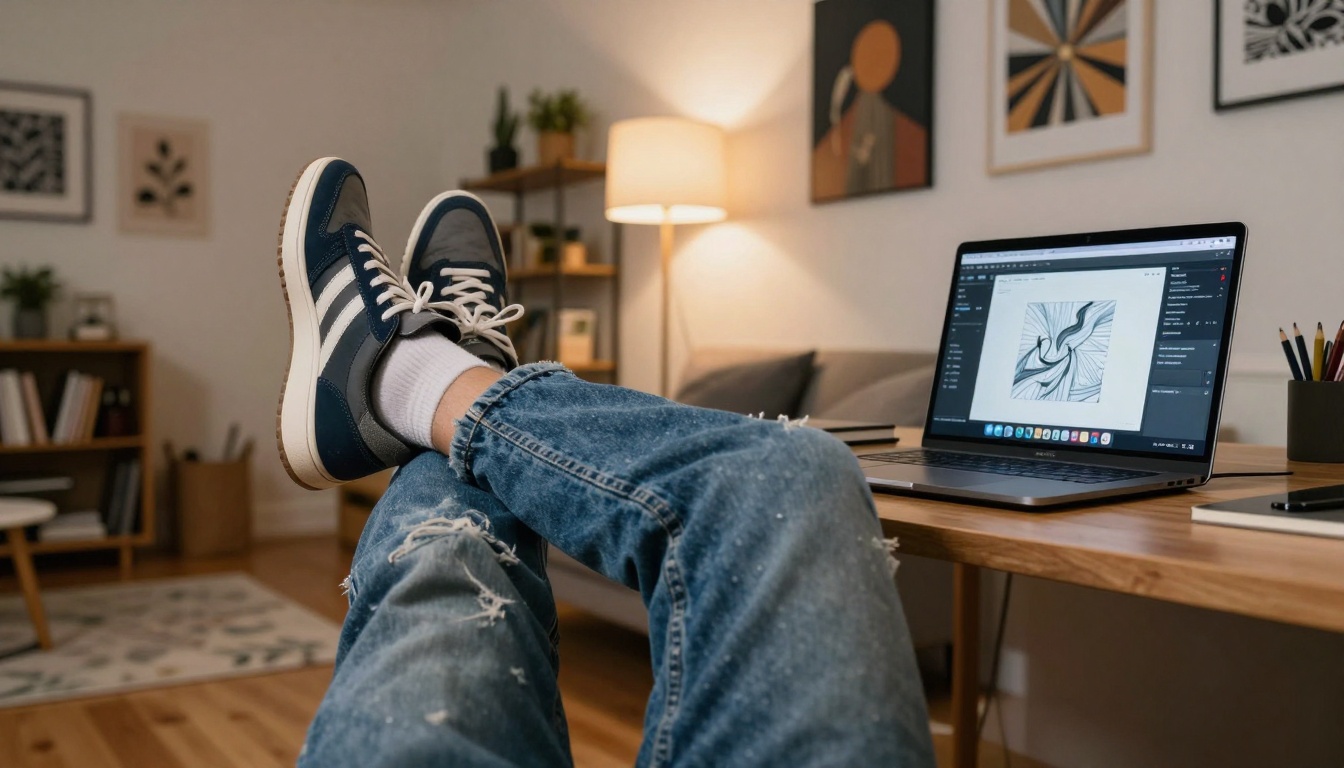
What makes these communities different:
- Niche Specialization: Creators can find others working in the same specific genres
- Constructive Feedback: Communities focused on artistic improvement rather than content policing
- Collaboration Opportunities: Easy partnerships between creators with complementary skills
- Mentorship Networks: Experienced creators helping newcomers navigate technical and artistic challenges
The social dynamics on these platforms resemble traditional art school environments more than they do social media platforms. The focus is on artistic development, technical skill improvement, and creative exploration rather than viral popularity or follower counts.
Technical Advantages: Speed, Quality, and Control
From a purely technical perspective, unlimited AI platforms offer advantages that appeal to the digitally-native generation of creators:
Speed advantages:
- Rapid Iteration: Testing multiple variations of an idea in minutes rather than hours
- Batch Processing: Creating entire series or collections in single sessions
- Real-Time Feedback: Immediate visual results from parameter adjustments
Quality considerations:
- Consistent Output: Maintaining artistic style across multiple pieces
- Technical Precision: Achieving specific lighting, composition, and detail levels
- Style Cohesion: Developing and maintaining a recognizable artistic signature
Control factors:
- Parameter Granularity: Fine-tuning every aspect of generation
- Seed Control: Reproducing specific results when needed
- Style Mixing: Combining elements from different artistic traditions
Tools like Qwen Image 2512 and P-Image Edit provide the level of control that serious artists require, while remaining accessible enough for beginners to achieve professional results.
Daily Workflow Integration
For young creators making the transition to unlimited platforms, the integration into daily creative practice follows predictable patterns:
Morning routine (concept development):
- Review overnight inspiration and sketch ideas
- Research reference materials and artistic influences
- Develop initial prompts and parameter sets
Mid-day (execution phase):
- Generate initial batches using platforms like Flux-2 Flex
- Refine selections based on artistic criteria
- Apply post-processing and enhancement
Afternoon (community and business):
- Share work-in-progress with community for feedback
- Update social media and portfolio sites
- Handle client communications and commission requests
Evening (planning and learning):
- Analyze performance metrics
- Research new techniques and tools
- Plan next day's creative focus
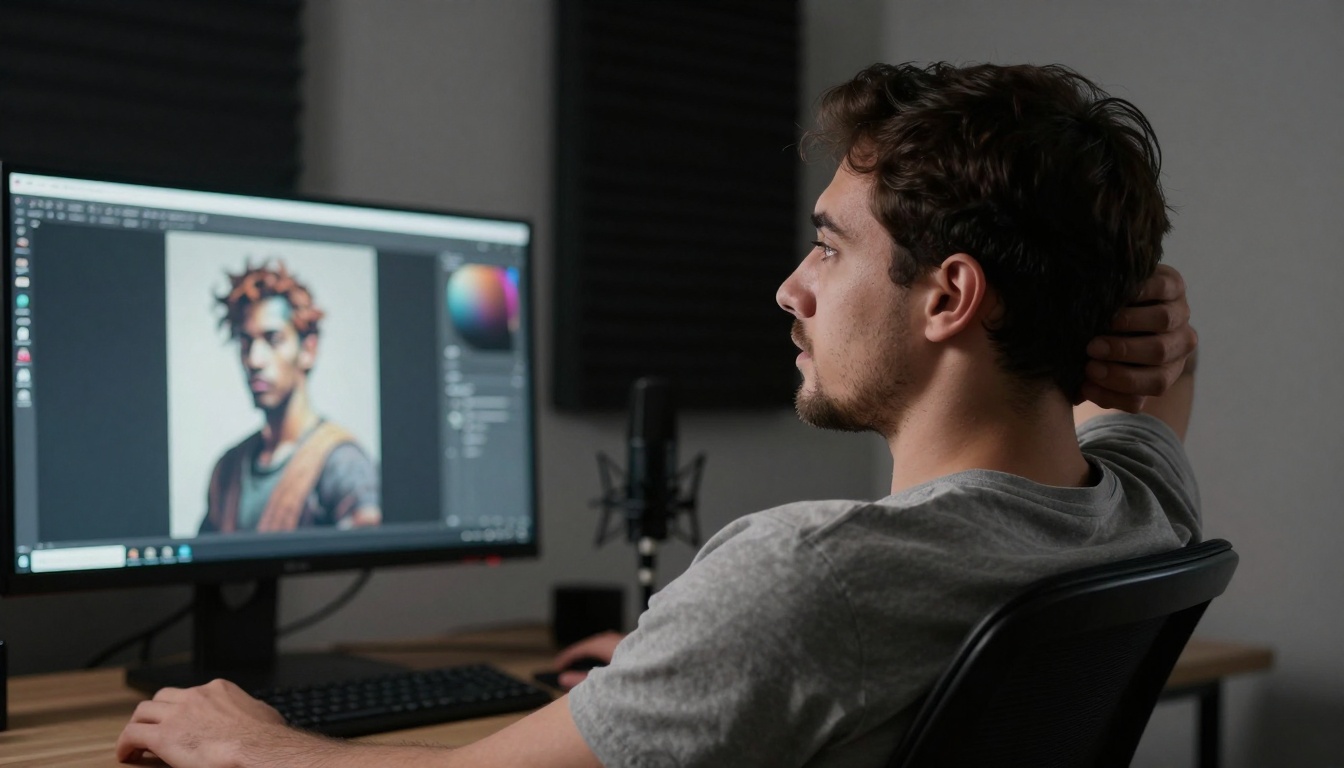
This structured approach allows creators to maintain productivity while continually improving their skills and expanding their artistic range.
Case Studies: Real Creator Experiences
Case Study 1: Maya, 24, Digital Illustrator
Maya transitioned from traditional digital illustration to AI-assisted creation 18 months ago. Her experience highlights the psychological benefits of unlimited platforms:
"The biggest change wasn't technical—it was psychological. On restricted platforms, I was constantly second-guessing whether my work would be allowed. Now I create what I feel, and the audience response tells me if it's working artistically, not whether it passes some arbitrary guideline."
Maya's revenue increased by 400% in her first year on unlimited platforms, primarily through print sales and commercial licensing.
Case Study 2: Alex, 28, Concept Artist
Alex works in the gaming industry but maintains a personal art practice focused on mythological themes:
"The ability to explore classical themes with contemporary sensitivity was impossible on mainstream platforms. The algorithmic suppression of anything with classical nudity meant my work never reached its intended audience. Now I have a dedicated following that appreciates the artistic integrity of my approach."
Alex has developed a subscription model with 850 monthly members paying for exclusive content and process tutorials.
Case Study 3: Jordan, 22, Photography Student
Jordan uses AI platforms to complement traditional photography studies:
"As a photography student, I'm learning lighting, composition, and technical craft. The AI platforms let me experiment with concepts I couldn't physically produce yet due to equipment limitations or model availability. It's like having a digital studio that's always available."
Jordan's AI work has actually improved his traditional photography skills, as he can test lighting setups and compositions digitally before executing them physically.
The ecosystem of unlimited AI platforms has matured significantly, offering creators a range of specialized tools:
Image Generation Platforms:
- Flux-2 Max: High-quality generation with excellent detail control
- Seedream 4.5: Fast generation with strong artistic style options
- Nano-Banana Pro: Google's advanced image generation with unique stylistic capabilities
Editing and Enhancement Tools:
Video Generation (for creators expanding into motion):
- Sora-2 Pro: Advanced text-to-video with cinematic quality
- Veo-3.1: Google's professional video generation platform
- Kling V2.6: High-quality video with excellent motion control
Future Outlook: Where This Trend Is Heading
The migration of young creators to unlimited platforms represents more than a passing trend—it signals a fundamental shift in how digital art will be created and consumed in coming years.
Predicted developments:
- Specialized Platform Ecosystems: Rather than one-size-fits-all solutions, we'll see platforms specializing in specific artistic genres and styles
- Integration with Traditional Tools: AI platforms becoming seamless components of traditional creative software suites
- Educational Integration: Art schools and universities incorporating unlimited AI tools into curriculum
- Professional Certification: Recognition of AI-assisted art as legitimate professional practice with formal credentials
- Gallery and Exhibition Space: Physical exhibition of AI-generated art becoming mainstream in art world
The demographic shift is particularly telling. While older generations may view these platforms with skepticism, creators under 35 see them as natural extensions of their digital-native upbringing. The distinction between "traditional" and "AI-assisted" art is blurring, with the focus shifting to artistic merit rather than creation method.
Practical Considerations for New Creators
For young creators considering the transition to unlimited platforms, several practical considerations can smooth the journey:
Getting Started Checklist:
- Research platforms that match your artistic style and goals
- Start with free tiers or trial periods to test compatibility
- Join community forums and Discord servers before committing
- Study successful creators in your intended genre
- Develop a consistent posting and engagement schedule
Common Pitfalls to Avoid:
- Over-investing in platforms before confirming they suit your workflow
- Neglecting community engagement in favor of pure creation
- Underestimating the learning curve for advanced tools
- Failing to develop a distinctive artistic style early
- Ignoring business aspects in pursuit of purely artistic goals
Success Strategies:
- Develop a consistent visual style across your portfolio
- Engage authentically with your community and peers
- Document your process for educational content opportunities
- Diversify revenue streams rather than relying on single source
- Continually update skills as new tools and techniques emerge
The Philosophical Shift: Redefining Artistic Success
Perhaps the most significant aspect of young creators embracing unlimited platforms is the philosophical shift it represents. Success is being redefined from viral popularity and follower counts to:
- Artistic Integrity: Creating work that aligns with personal vision rather than algorithmic preferences
- Sustainable Practice: Building careers that can be maintained long-term
- Community Contribution: Adding value to artistic ecosystems rather than merely extracting attention
- Technical Mastery: Developing skills that transfer across platforms and tools
- Personal Fulfillment: Finding satisfaction in creative process rather than external validation
This shift aligns with broader generational values among creators under 35, who prioritize authenticity, sustainability, and meaningful engagement over traditional metrics of success.
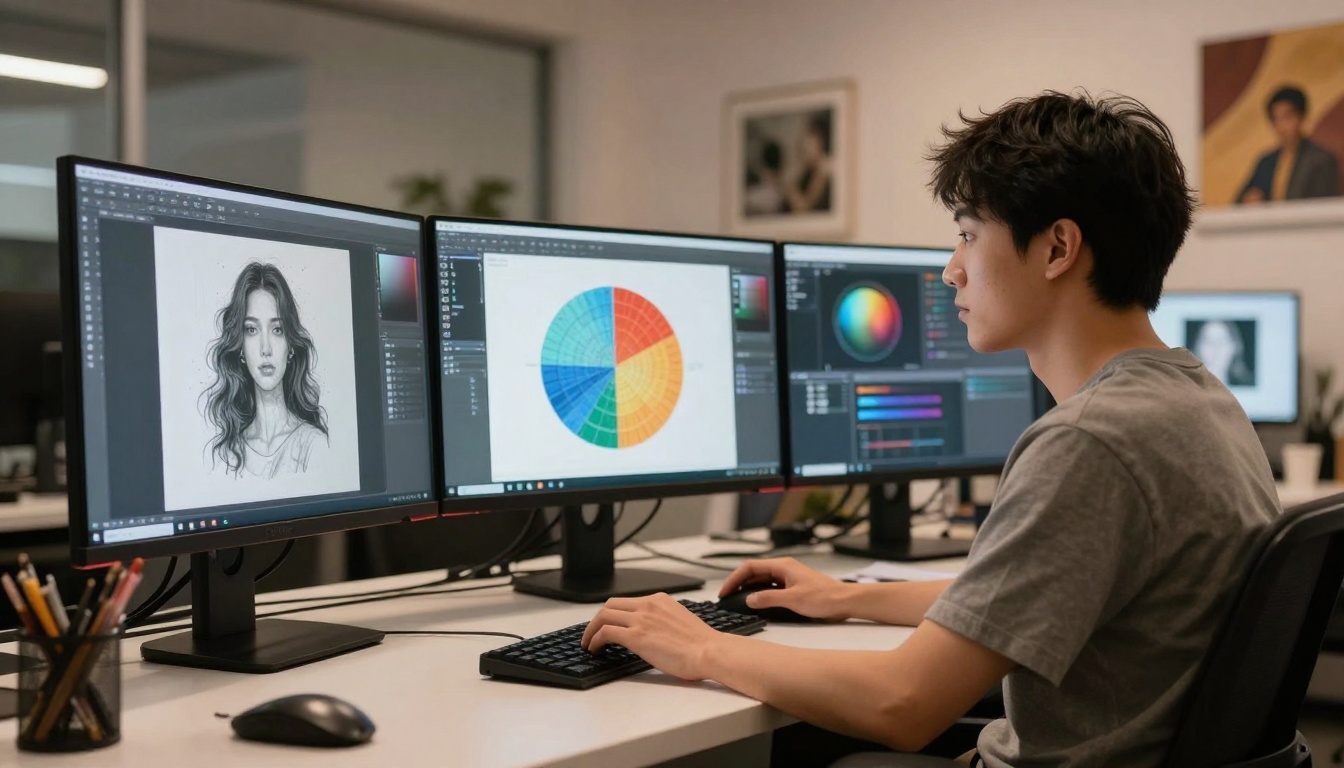
Your Creative Journey Awaits
The landscape for digital creators has never been more promising or more complex. The emergence of AI platforms without artificial restrictions represents both an opportunity and a challenge: the opportunity to create without boundaries, and the challenge to develop the discipline and skill to use that freedom effectively.
For young creators feeling constrained by traditional platforms, the path forward is clear. The tools exist, the communities are forming, and the economic models are proven. What remains is the individual decision to embrace this new paradigm and begin the work of developing your unique artistic voice in an environment designed to support rather than restrict.
The most successful creators on these platforms share one common characteristic: they started before they felt completely ready. They embraced the learning curve, accepted initial imperfections, and persisted through technical challenges. Their reward has been creative freedom, financial stability, and artistic community—precisely what the current generation of creators seeks.
The question isn't whether unlimited AI platforms will continue to attract young creators—they already are at unprecedented rates. The question is whether you'll join them in exploring what's possible when artificial boundaries are removed and genuine artistic expression is given space to flourish.


