The question keeping creators up at night right now is not whether AI is coming for TikTok. It already arrived. The real question is whether the platform's billion-plus daily viewers will care, and what that means for everyone who makes a living in front of a phone screen.
How the AI Creator Wave Started
It did not begin with a dramatic announcement. It crept in through filters, voice-overs, and auto-captions. Then, almost overnight, entire channels run by no human being appeared, racking up millions of views without a single real face behind them.
From Filters to Full Videos
In 2022, the conversation was about AI face filters. By 2023, it had shifted to AI voice cloning. By 2024, fully scripted, filmed, and edited TikToks were being produced in minutes using nothing but a text prompt. Tools like Kling v3 Video can now generate cinematic short-form content that looks like it was filmed on location, with real lighting, real movement, and a real-feeling presence on screen.
The progression happened faster than most creators could track.
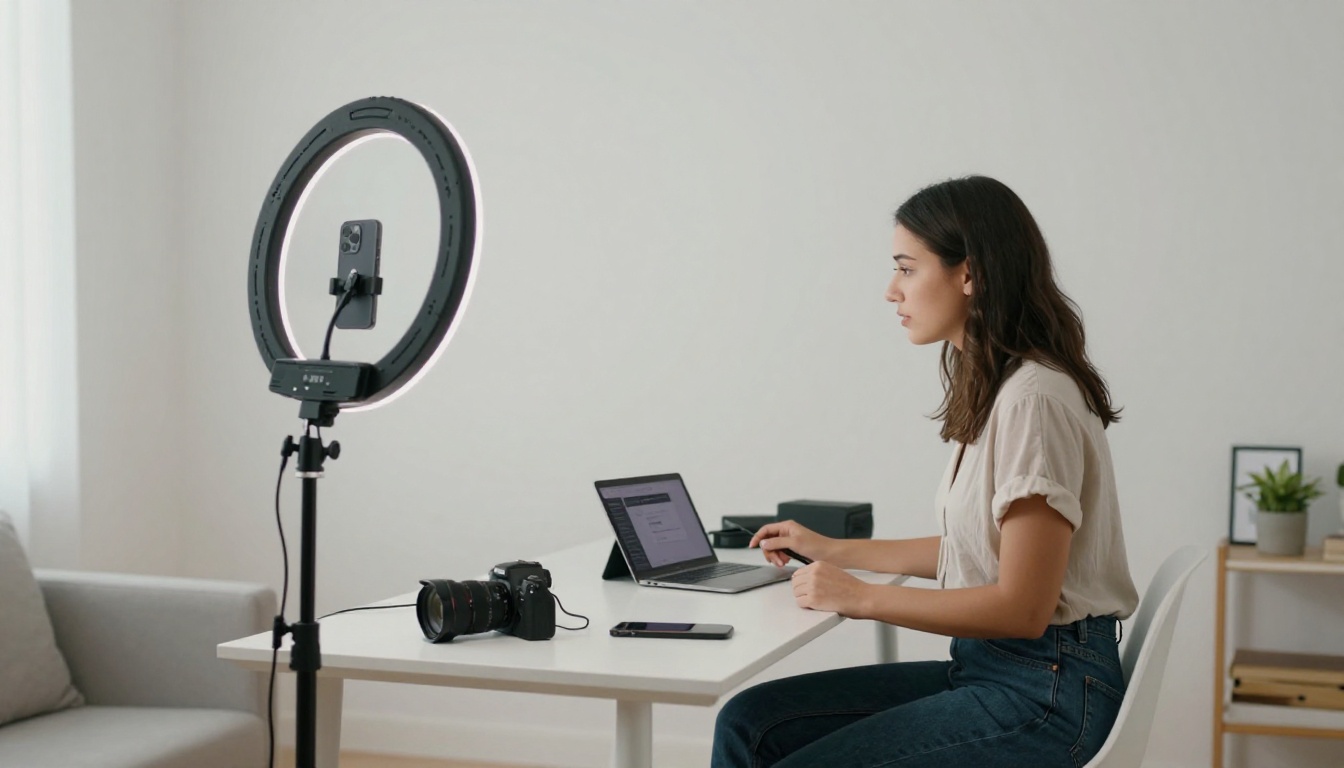
Virtual Influencers Already Earn Real Money
Before TikTok, Instagram had already produced its first generation of AI influencers. Lil Miquela has over 2.5 million Instagram followers and secured brand deals with Calvin Klein and Prada. Imma, the Japanese AI model, has worked with IKEA and Porsche. These are not experiments. These are paid partnerships with major brands who chose a synthetic personality over a real one.
On TikTok, the scale is different. Content volume is the currency, and AI can produce content at a volume no human can match.
What AI Can Actually Do Right Now
Forget the speculation. Here is a practical breakdown of what AI tools can already produce in 2027:
Generate Full Videos from a Single Text Prompt
You type a sentence. You get a 15-second video. That is not a simplification, that is exactly what models like Veo 3 and Seedance 1.5 Pro deliver. Veo 3 generates video with native audio already synced, including ambient sound, music beds, and even dialogue. Seedance 1.5 Pro outputs at broadcast quality with synchronized audio tracks.
For a TikTok creator, the math is brutal: a human might film and edit one video per day. An AI pipeline can produce 50.
Clone a Face and Voice in Minutes
Kling Avatar v2 and Avatar IV by HeyGen let anyone upload a single photo and a voice sample, then generate a talking avatar that lip-syncs to any script. The avatar nods, blinks, gestures, and maintains eye contact in a way that is persuasive enough to catch people off guard.
💡 This is where brands are paying attention. A single creator persona, owned by a company, can post 24/7 across 12 languages without contracts, burnout, or controversy.
Build a Script-to-Upload Pipeline Automatically
The production pipeline from idea to upload now looks like this for AI-first channels: a large language model writes the script, a text-to-video model generates footage, a lipsync tool adds the voiceover, and a music generation model handles the soundtrack. No camera. No editor. No creator.
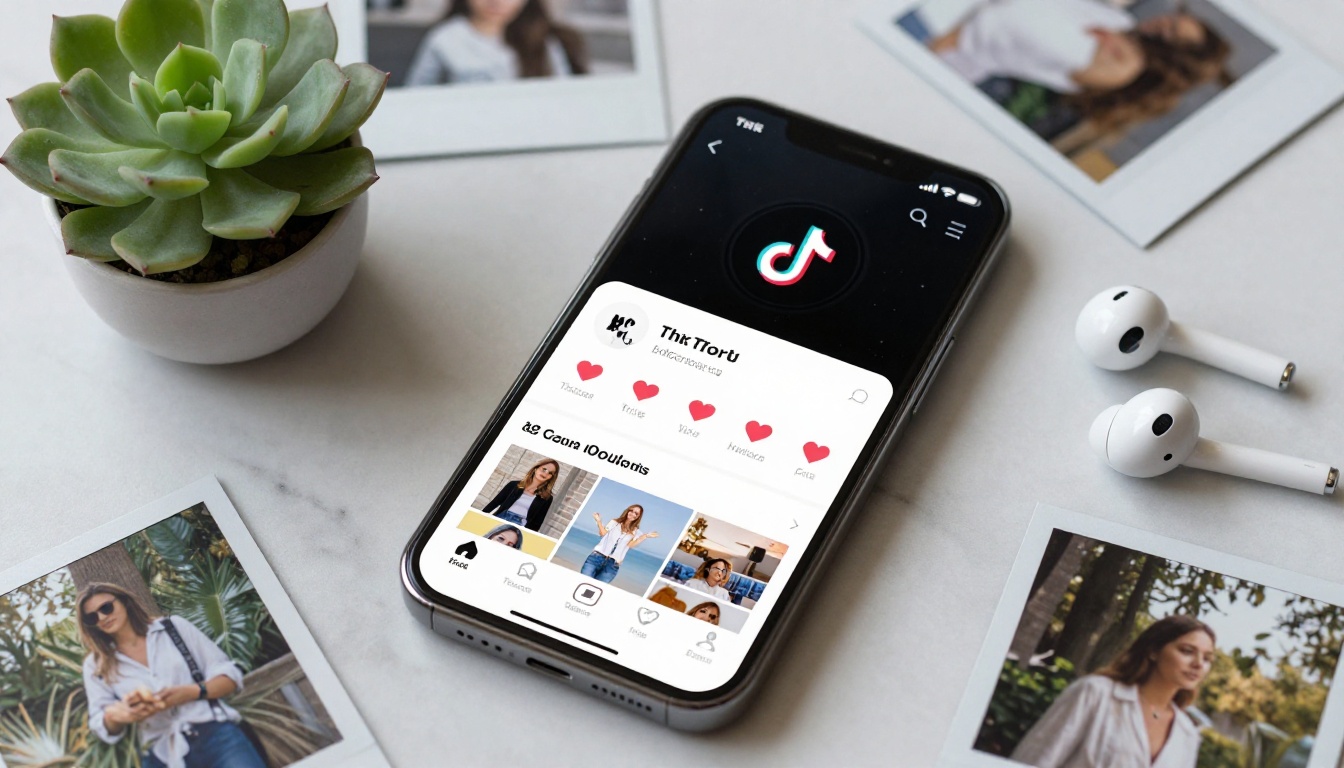
The Numbers That Should Concern Creators
The AI content market is not a niche experiment. It is a rapidly scaling industry with serious investment behind it.
| Metric | 2024 | 2026 (Projected) |
|---|
| AI-generated TikTok videos (est.) | 12% of new uploads | 30%+ |
| Virtual influencer brand deals | $4.6B market | $12B+ |
| Time to produce 1 AI TikTok | ~8 minutes | ~3 minutes |
| Cost per AI video | ~$0.50 | ~$0.10 |
| Human creator avg. time per video | 4-6 hours | 4-6 hours |
The production cost and time gap between human and AI content is widening, not narrowing. Every new model release pushes that gap further.

What Human Creators Still Own
This is not a one-sided argument. There are things that AI genuinely cannot replicate right now, and some of them are the exact reasons people follow creators in the first place.
Emotional Authenticity Is Not Copyable
When a creator cries on camera over something real, or laughs so hard they lose composure, that moment is irreproducible. AI can simulate emotion. It cannot experience it. Viewers who have spent months following a creator have built a relationship with that person's specific, messy, unpredictable humanity.
TikTok's highest-performing content categories, including grief, family moments, live reactions, and personal confessions, all depend on this authenticity. An AI avatar cannot have a bad day in a way that truly resonates.
Real-World Relationships and Communities
Creators do not just post. They build communities. They respond to comments at 2am. They remember followers' names. They participate in their comment sections in a way that feels personal because it is. This relational layer is something AI tools are only beginning to approximate, and the approximations remain unconvincing to anyone paying close attention.
Spontaneous Creativity Under Pressure
Trends on TikTok move in hours, not days. A creator who catches a trend within 90 minutes of it appearing, films a response in their car, and posts before the wave crests has an organic agility that AI pipelines still struggle to match when genuine timing and cultural intuition are required.
💡 The sweet spot for creators in 2027 is not competing with AI. It is using AI to compete with other humans who are not using it.
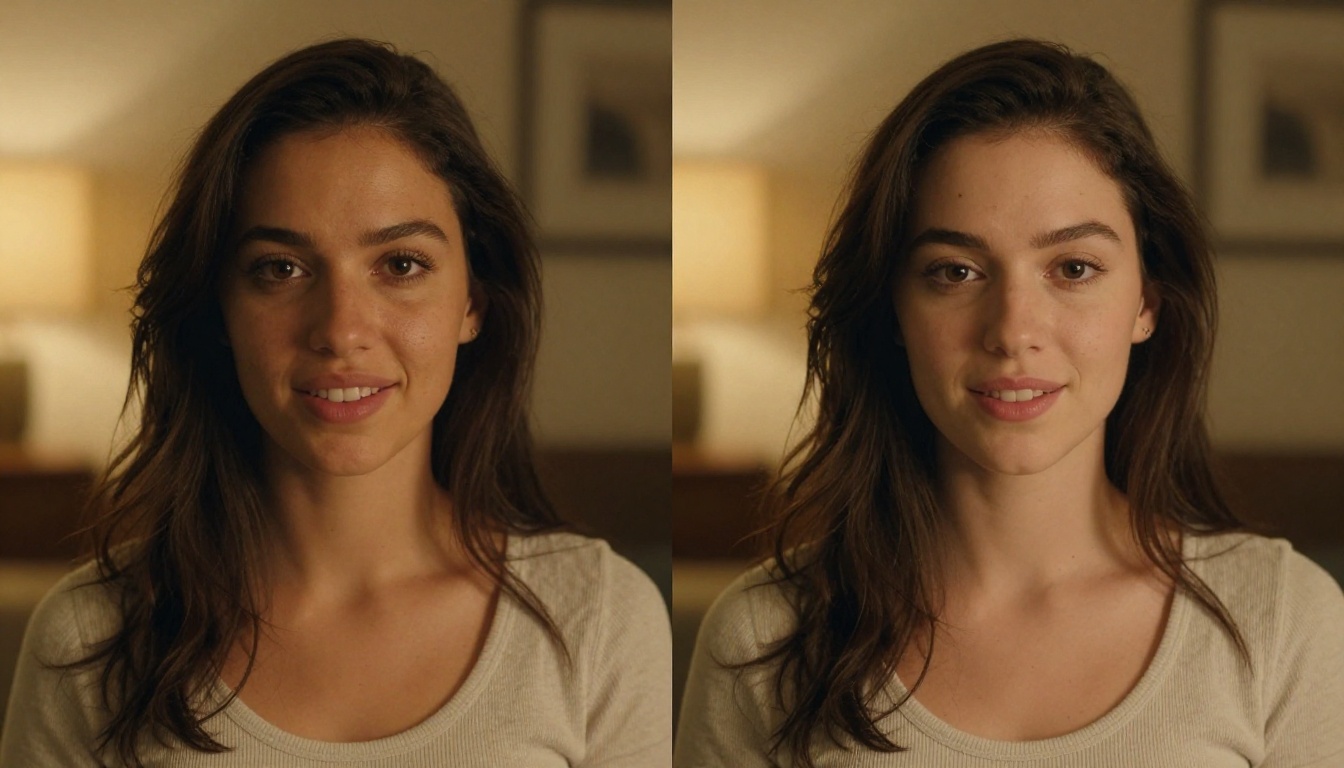
TikTok's Algorithm and AI Content
TikTok's recommendation engine does not care who, or what, made the video. It cares about one thing: does this content hold attention?
What the Algorithm Actually Measures
- Watch time: Did viewers watch to the end?
- Replay rate: Did they watch it again?
- Share velocity: How fast was it shared after posting?
- Comment sentiment: Are comments positive, engaged, or argumentative?
- Profile depth: Do viewers click through to the creator's page?
AI videos can score well on watch time if they are visually compelling. But they consistently underperform on profile depth and repeat engagement. People watch the video. They do not follow the channel.
When AI Content Gets Flagged
TikTok updated its policy in 2024 to require disclosure when content is realistic and AI-generated. Failure to disclose can result in content removal. This creates a transparency layer that some AI-heavy channels are navigating carefully, and others ignoring entirely.
The platforms themselves are in a complicated position: they benefit from the volume AI brings, but risk losing user trust if synthetic content dominates without labeling.
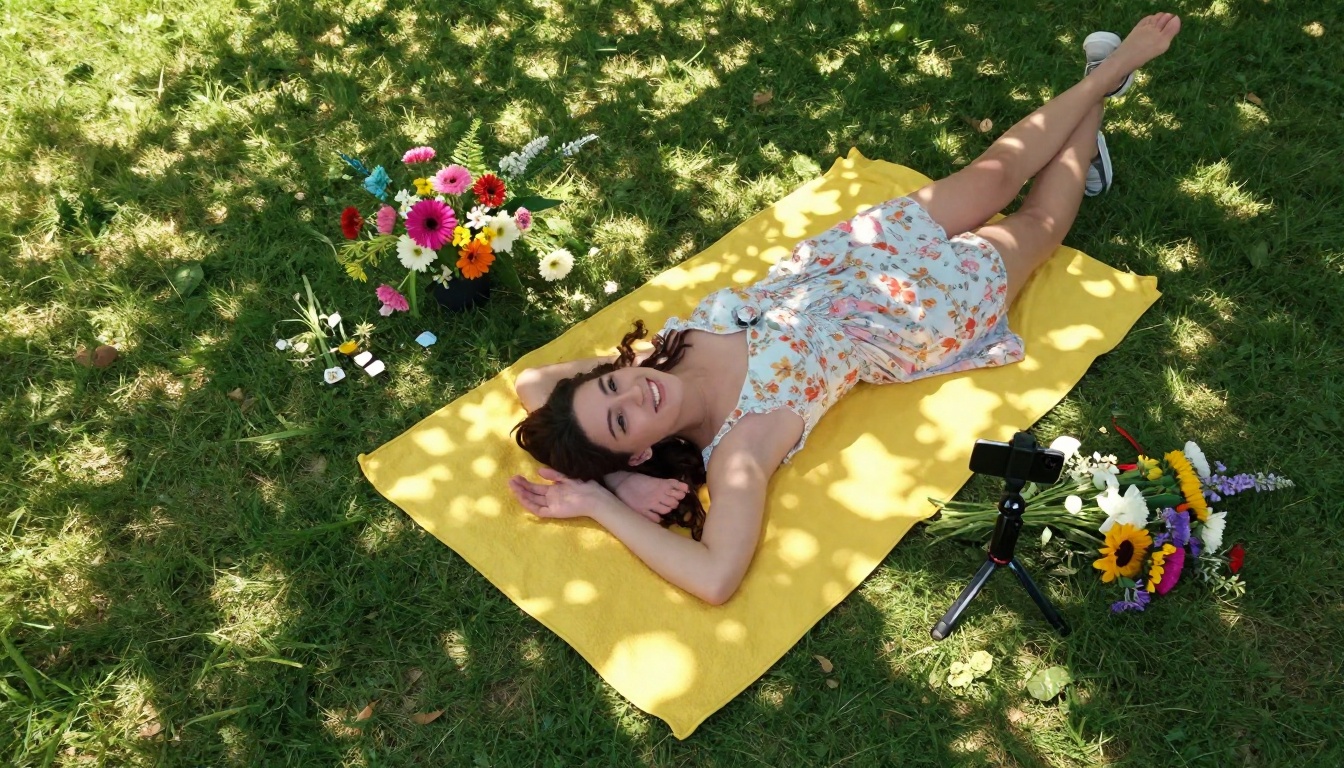
Make AI TikTok Content Right Now
The tools are available today, not in some speculative near-future. Here is how to build a full AI content workflow for short-form video.
Step 1: Generate Your Base Video
Start with Wan 2.7 T2V for 1080p text-to-video output. Write a short, specific prompt describing the scene, mood, and subject. For lifestyle content, describe the setting in detail. For talking-head style, use Video Agent by HeyGen to generate a polished presenter-style clip from a script.
Tips for stronger prompts:
- Specify the mood ("warm, relaxed, Sunday morning")
- Include camera direction ("close-up shot, slight handheld movement")
- Describe the subject's action ("woman laughing while looking at phone")
Step 2: Add a Talking Avatar
Upload your photo or a reference image to Kling Avatar v2 or Avatar IV. Write your script. The model lip-syncs the avatar to your text in minutes. You can use your own cloned voice from a 30-second sample, or select a platform voice.
Step 3: Add Motion and Cinematics
Take a still image and animate it using Hailuo 02 for instant 1080p animation, or Pixverse v5.6 for stylized motion. This works especially well for product shots, travel photography, and lifestyle imagery.
Step 4: Refine and Export
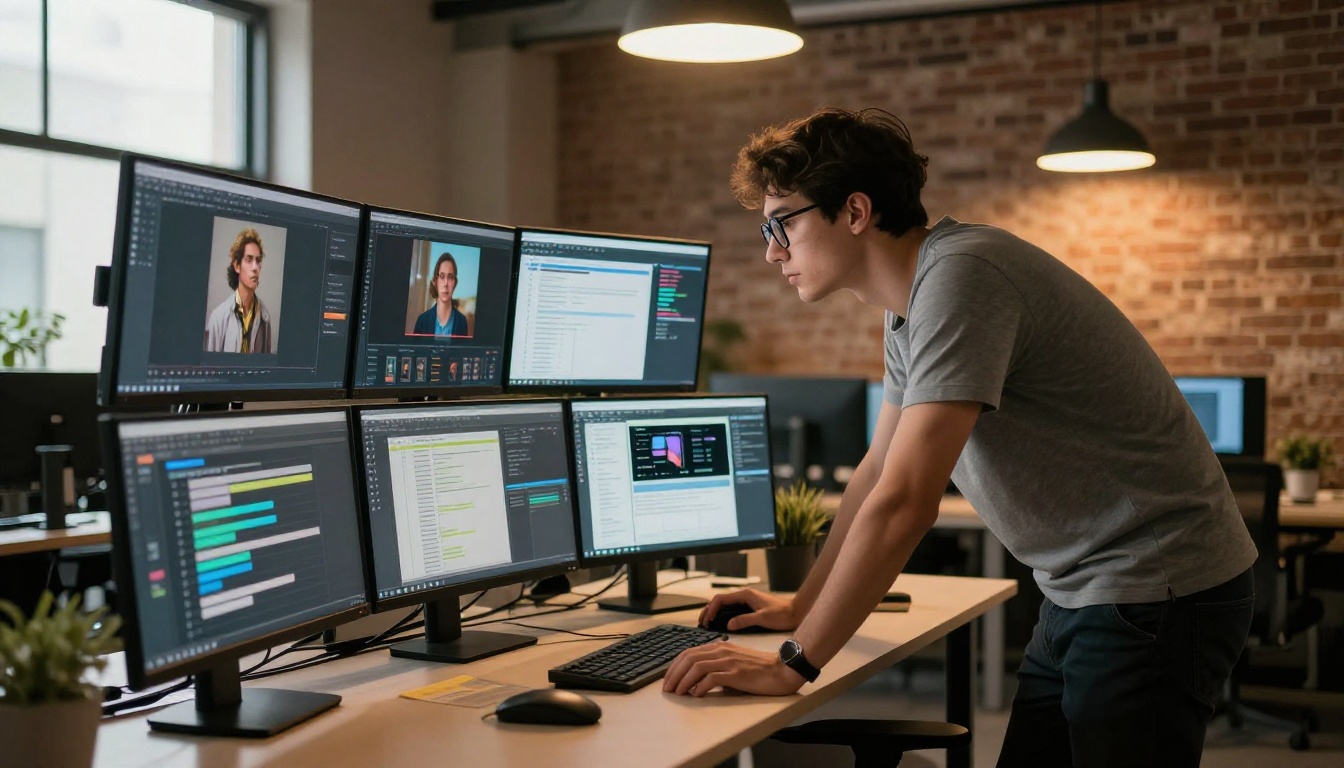
Run your final video through an AI video enhancement model to upscale, stabilize, and clean up artifacts before posting. The full workflow, from prompt to export-ready clip, can be completed in under 20 minutes.
Creators Using AI as a Weapon
The most forward-thinking creators are not afraid of AI. They hired it.
Automate the Repetitive Work
Caption writing, hashtag research, thumbnail cropping, transcript generation, repurposing a 60-second TikTok into a 15-second Reel and a 3-minute YouTube short: all of this is now automatable. Creators who automate these tasks reclaim 3-4 hours per day. That time goes back into the work that actually requires a human, building community, telling personal stories, reacting to culture in real time.
Scale Without Burning Out
A creator running a single channel typically posts once per day. Using AI-generated b-roll, scripted segments, and automated editing, some creators in 2027 are maintaining output across two or three channels without additional team members. The creative vision is still human. The production is partly synthetic.
💡 The creators who survive the AI era are not those who ignore it. They are those who use it so fluently that no one can tell the difference between their human voice and their AI-assisted output.
The Brand Deal Reality
Brands are already experimenting with AI personas. Some have replaced human influencers with AI avatars for specific campaigns. Others require disclosure. But the majority of influencer marketing budgets still flow to human creators because brands understand that audiences buy from people they trust, and trust is still earned the old-fashioned way.
A brand that owns an AI persona it can deploy indefinitely, in any language, with zero reputational risk, has a compounding asset. That shift is already beginning, and it will accelerate.
| Creator Type | AI Risk Level | What to Do |
|---|
| Generic content, no niche | Very High | Specialize or use AI to pivot |
| Niche educational creator | Medium | Use AI for production speed |
| Personality-driven lifestyle | Low | Use AI for scale |
| Live streamer, community builder | Very Low | Real-time connection is irreplaceable |
| Brand ambassador (human) | Medium-High | Negotiate AI-use clauses in contracts |

Will AI Replace TikTokers? The Honest Answer
Not entirely. Not soon. But partially, silently, and faster than most creators expect.
The low-value creator, posting generic content with no distinctive voice, real community, or personal story, is the most exposed. AI can do what they do cheaper and faster. The high-value creator, with a genuine perspective, a loyal community, and the cultural timing that makes content actually resonate, has a position that AI cannot breach today.
What is certain is this: creators who refuse to use AI tools will be out-produced by those who do. The question of replacement is less interesting than the question of adaptation.
Start Creating with AI Right Now
The tools are not hypothetical. On a single platform, you have access to over 87 text-to-video models, 91 text-to-image models, lipsync tools, and video enhancement that takes raw footage to polished output in minutes.
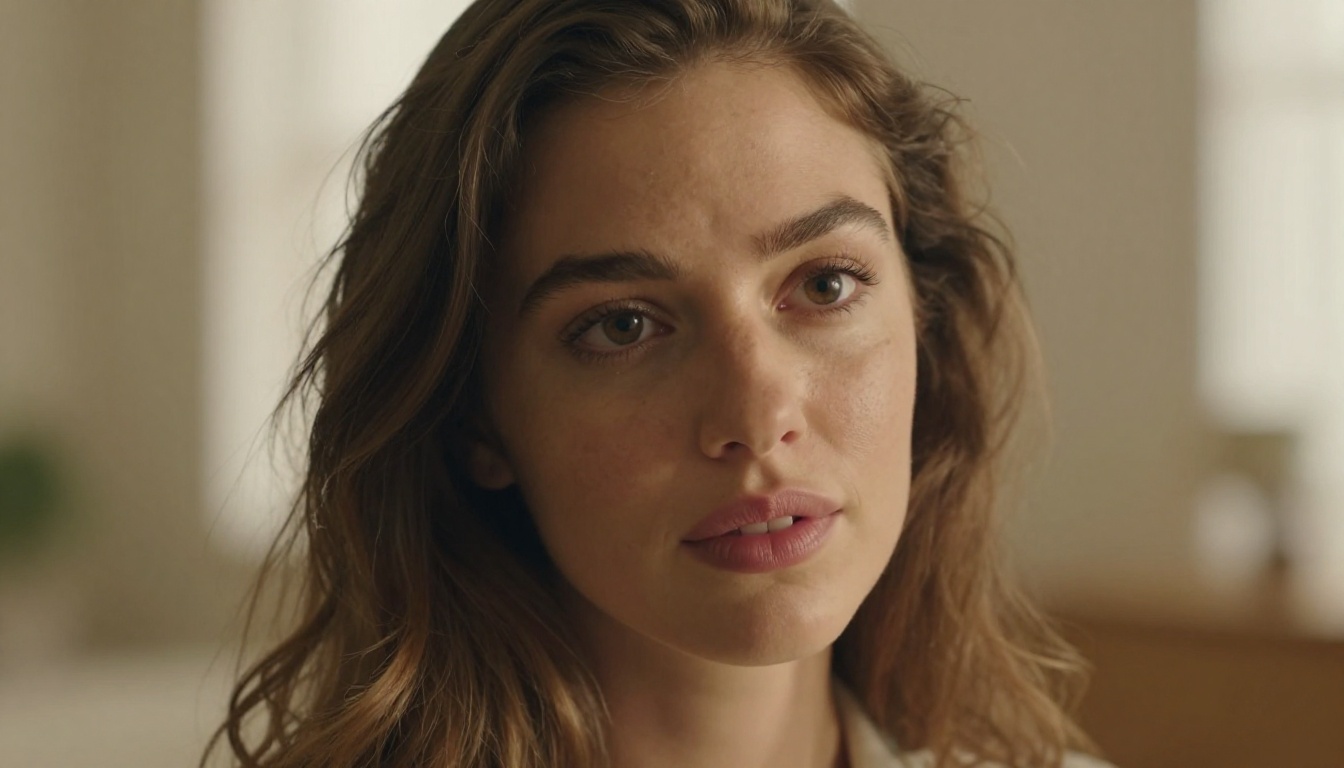
Whether you are a working creator who wants to triple your output, a brand looking to produce consistent content at scale, or simply curious about what AI video tools can do when you put a real prompt into them, the best way to answer the question is to try it yourself.
Start with Kling v3 Video for cinematic short-form clips, Veo 3 for audio-synced content, or Sora 2 Pro for high-definition storytelling. Each model has its strengths, and the fastest way to understand them is to run a prompt and see what comes back.
The beach creator filming at sunset, the urban entrepreneur posting daily vlogs, the lifestyle account that never seems to stop producing content: some of them are already AI. Most of them will be partially AI soon. The question is whether you are the one building them, or the one waiting to find out what that means for your channel.


