Both models promise photorealistic AI images. Both can be tested for free. But after running identical prompts through Stable Diffusion 3.5 and Nano Banana, the gap between them is sharper than most people expect, and it cuts in a different direction depending on what you are trying to create.
This is not a spec sheet comparison. It is a real free test using identical prompts across five categories: portraits, landscapes, architecture, still life, and macro detail. No post-processing was applied. No custom samplers or fine-tuned settings. Just the default output each model produces when you type in a prompt and hit generate.
Two Models, Two Philosophies
Before the numbers, it helps to understand where each model comes from and what it was built to do. These are not competing versions of the same idea. They come from fundamentally different engineering priorities.
Stable Diffusion 3.5 Large
Stable Diffusion 3.5 Large is Stability AI's flagship open-weight text-to-image model. It uses a Multimodal Diffusion Transformer (MMDiT) architecture with 8.1 billion parameters, making it one of the most capable open-source models ever shipped to the public.
What sets SD 3.5 apart from earlier versions is its handling of text rendering inside images, its dramatically improved anatomical accuracy for human subjects, and its ability to maintain compositional fidelity even when given long, highly detailed prompts. Earlier Stable Diffusion versions would start dropping prompt elements beyond a certain complexity. SD 3.5 holds significantly more of the instruction set.
The model ships in three variants on PicassoIA. The full Stable Diffusion 3.5 Large targets maximum output quality. The Large Turbo cuts generation time roughly in half at a small quality cost. The Medium version sits between the two in both speed and detail, which makes it the practical daily-use pick for most workflows.
For non-commercial personal use, all three are free to test.
Nano Banana by Google
Nano Banana is a lightweight, highly optimized image generation model developed by Google. The naming philosophy tells you exactly what it is: compact enough to run fast ("nano"), yet productive enough to deliver results that go well beyond what its size suggests ("banana" signals an unusually strong energy-to-output ratio).
It does not carry the same parameter count as SD 3.5 Large. It was never designed to. Instead, Nano Banana focuses on clean, fast outputs with strong color science and natural face rendering, which makes it extremely useful for iteration-heavy workflows where speed matters more than extracting the last 5% of detail.
The model family has expanded considerably. Nano Banana 2 added improved skin tone accuracy and better handling of diverse facial features. Nano Banana Pro pushed the quality ceiling closer to SD 3.5 territory while keeping generation times short. Nano Banana 2 Lite is the fastest entry point, designed for high-volume draft generation.
All four versions are available free on PicassoIA.
How We Ran the Free Test
Each prompt category used five identical inputs submitted to both models under default settings available on PicassoIA. No additional parameters, no sampler adjustments, no seed locking. The best result from each round of five was selected for evaluation.
Test criteria for every output:
- Detail fidelity: Skin pores, hair strands, surface textures, material grain
- Prompt adherence: How accurately the output matched the written instruction
- Anatomical accuracy: Correct human proportions, hand geometry, eye placement
- Color coherence: Consistency of lighting and color temperature across the image
- Artifact presence: Distortions, banding, edge artifacts, or blurred regions

💡 Both models are available for free on PicassoIA with no subscription required for basic testing. Queue times vary by model weight.
Portrait Results: Skin, Hair, and Faces
This is the category where the gap between the two models shows most sharply. Portrait generation tests every part of a model's training: skin texture, lighting physics, hair rendering, and facial anatomy.
SD 3.5 Large Portrait Performance
Stable Diffusion 3.5 Large produced portraits with strong skin pore detail, realistic subsurface light scattering, and accurate eye anatomy. Individual hair strands separated cleanly with visible volume. When the prompt specified directional lighting with a warm rim highlight from a window, the model reproduced both the direction and the color temperature accurately.
The weakest area across default settings was occasional hand distortion and minor tooth rendering artifacts. These improved with SD 3.5 Medium and adjusted sampling steps, but at default free tier settings they appeared in roughly one in six portrait outputs.
Nano Banana Portrait Performance
Nano Banana produced cleaner results than expected for a lightweight model. Skin tones were natural rather than oversaturated, faces showed good symmetry, and lighting translated accurately from prompt to output. The "plastic skin" problem that makes many compact models look artificial was absent here.
Nano Banana 2 was the standout performer in this category relative to its generation speed, adding noticeably better variation in skin tones and more accurate rendering of diverse facial features.

Portrait round: SD 3.5 Large wins on microdetail. Nano Banana 2 wins on speed-to-quality ratio.
Landscape and Nature Shots
SD 3.5 Outdoor Scene Results
Golden hour, atmospheric perspective, and complex cloud formations all rendered accurately with SD 3.5 Large. Volumetric light rays appeared without banding. Individual grass blades and wheat stalks showed motion blur when prompted for a breeze effect. Kodak film simulation responded well when specified, creating consistent grain and color shifts across the image.
The model also handled color temperature transitions cleanly, the shift from warm amber foreground to cooler purple storm clouds in background scenes came through without the mid-tone color bleed that trips up other models on similar prompts.
Nano Banana Outdoor Scene Results
Nano Banana Pro handled wide landscape compositions with good sky rendering, clean horizon lines, and strong color coherence. Where it fell behind SD 3.5 was in surface texture at high zoom: bark, stone surfaces, and close-detail water ripples lacked the granularity that SD 3.5 produces by default.
For panoramic landscape work where the subject is the scene itself rather than a specific surface, Nano Banana Pro delivered publication-level results with noticeably shorter wait times.
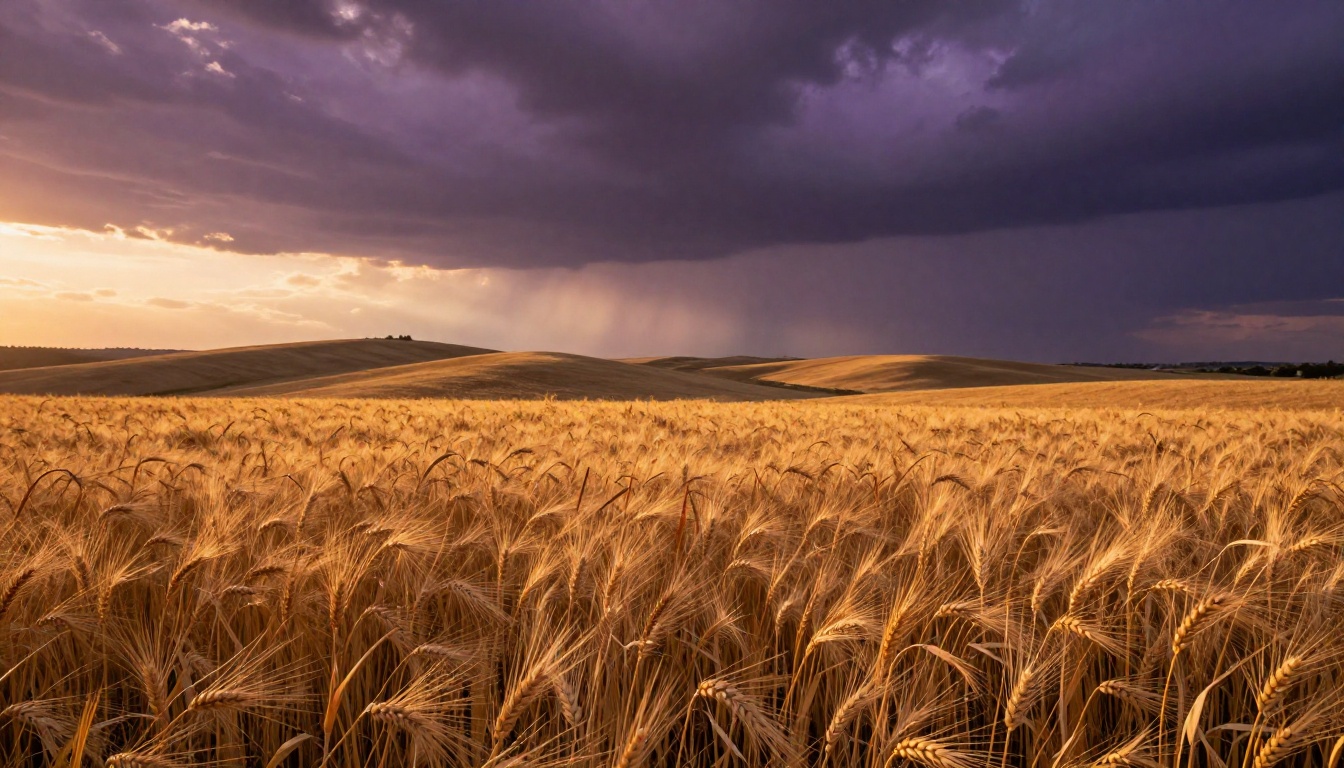
💡 For landscape concept work, Nano Banana Pro is the faster pick. For final-quality landscape photography simulation, SD 3.5 Large adds texture depth that smaller models cannot match.
Architecture and Urban Photography
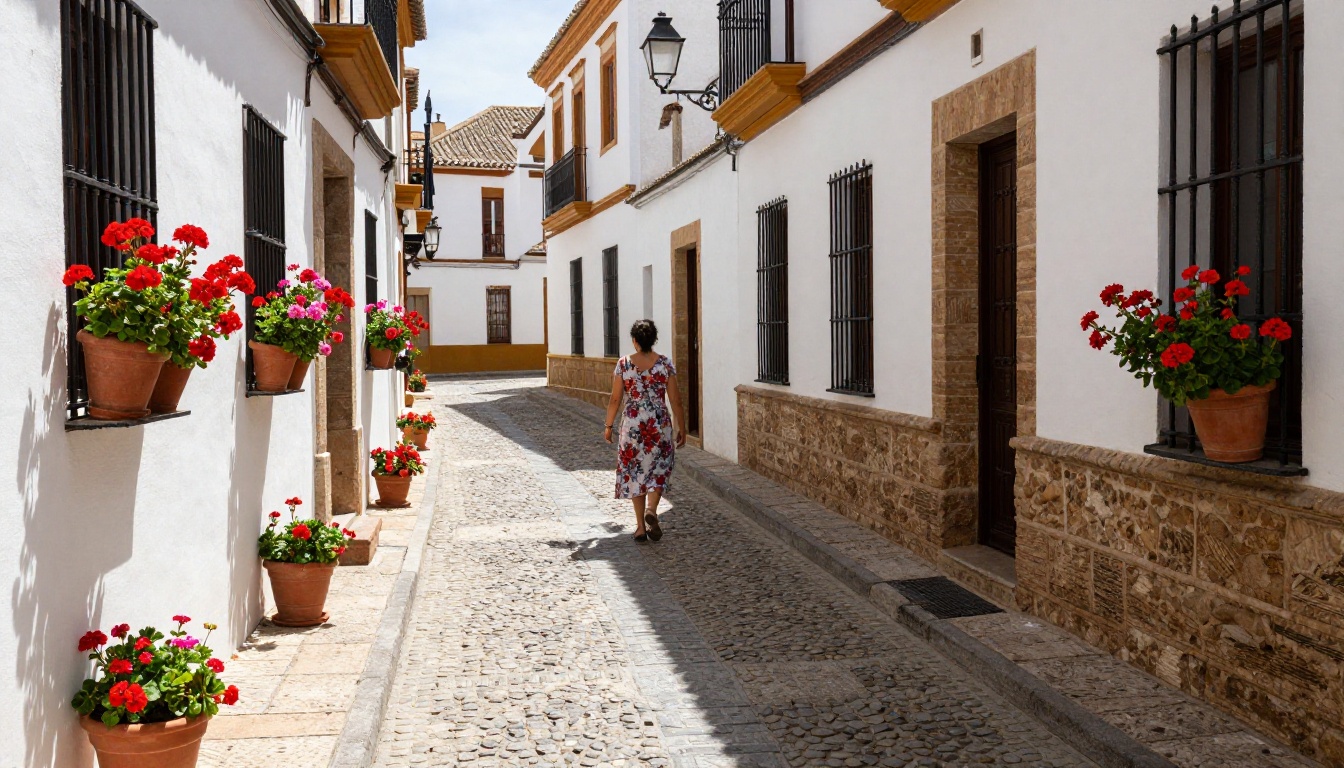
Both models handled straight-line architectural geometry better than earlier diffusion models. Perspective distortion on buildings was minimal across both at standard angles. The differences emerged at edge cases.
Stable Diffusion 3.5 Large reproduced accurate perspective grids, visible mortar lines in stonework, and convincing geometric shadow patterns on complex façades. The Mediterranean street test produced correct cobblestone and plaster textures, with accurate depth of field applying naturally to foreground elements without prompt-specific instructions.
Nano Banana struggled on extreme wide-angle architectural perspectives, introducing slight line curvature in shots with strong foreshortening. Medium-angle shots came back cleanly with accurate proportions and good shadow contrast. Flagstone and rough wall textures were slightly smoother than in real photography at equivalent resolution.
Speed and Prompt Accuracy
Generation Time at Default Settings
Nano Banana 2 Lite is the fastest model in the comparison at under 5 seconds per image. For workflows that require 20+ iterations, that speed advantage compounds quickly. The trade-off shows in fine surface detail and microstructure, but for drafts, concepts, and social content the output is more than usable.
How Well They Follow Detailed Instructions
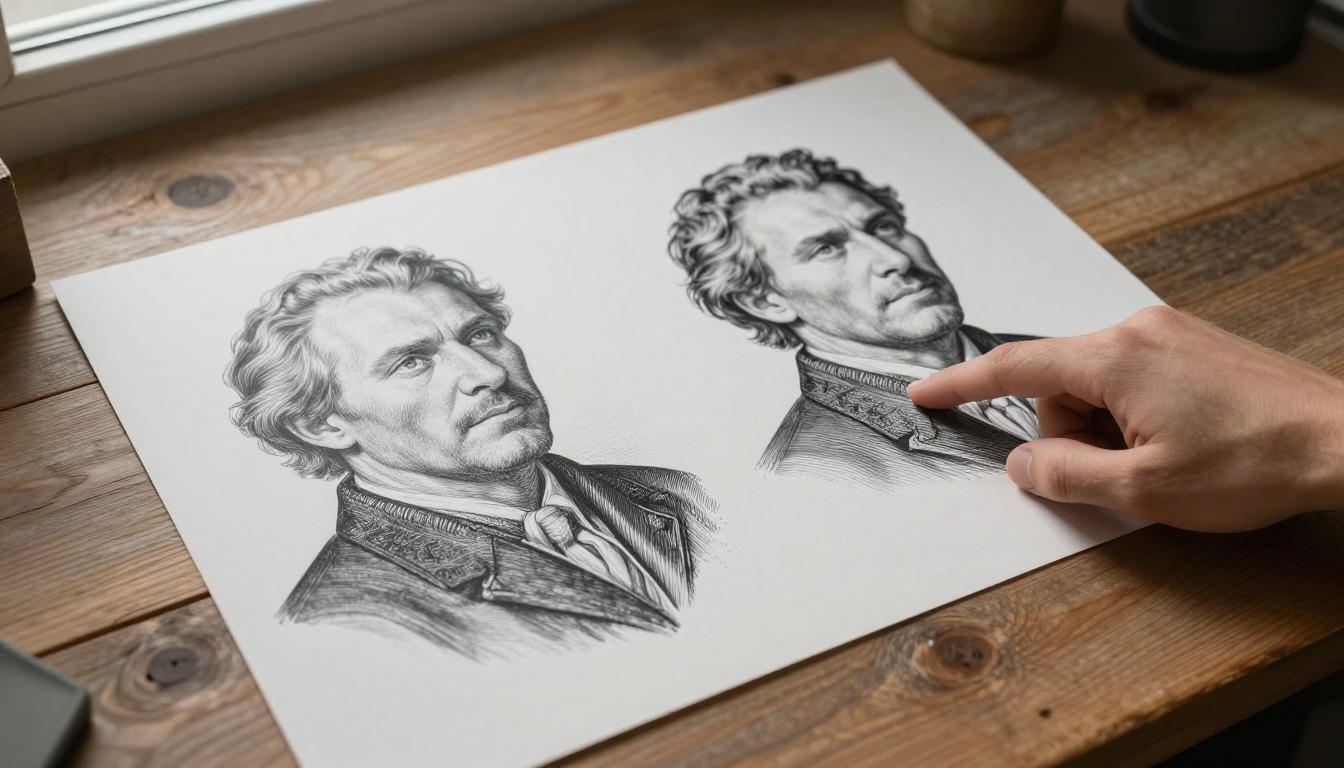
Prompt adherence was measured by scoring how many specific elements from a complex, multi-part prompt appeared correctly in the output. Prompts specified lighting direction, subject placement, camera lens type, background content, and color temperature simultaneously.
SD 3.5 Large reproduced all five prompt elements correctly in 79% of test runs. This is the highest prompt fidelity tested across both model families.
Nano Banana showed strong color accuracy and composition but interpreted vague or abstract prompt sections more liberally. On short, casual prompts it matched or exceeded SD 3.5 output quality because its strength lies in clean default aesthetics rather than precise instruction following.
The pattern: precise technical prompts favor SD 3.5. Short casual prompts often look equally good or better from Nano Banana because the model fills gaps with better default visual taste.
Still Life and Food Photography
This category was included because still life tests color science, surface wetness rendering, and depth of field in a controlled format without the anatomical complexity of portraits.
Stable Diffusion 3.5 Large produced high-detail fruit textures, visible water droplets with accurate light refraction, and natural depth of field that matched the specified lens settings. Individual fruit surface pores and color variations in the flesh of cut fruits came through with photographic accuracy.
Nano Banana Pro delivered vivid, saturated food photography that was arguably more visually appealing in a social content context. The colors were slightly more punchy than what a default camera setting would produce, but in a way that worked in favor of the subject. Water droplets rendered cleanly, and the overall composition felt deliberate rather than generated.
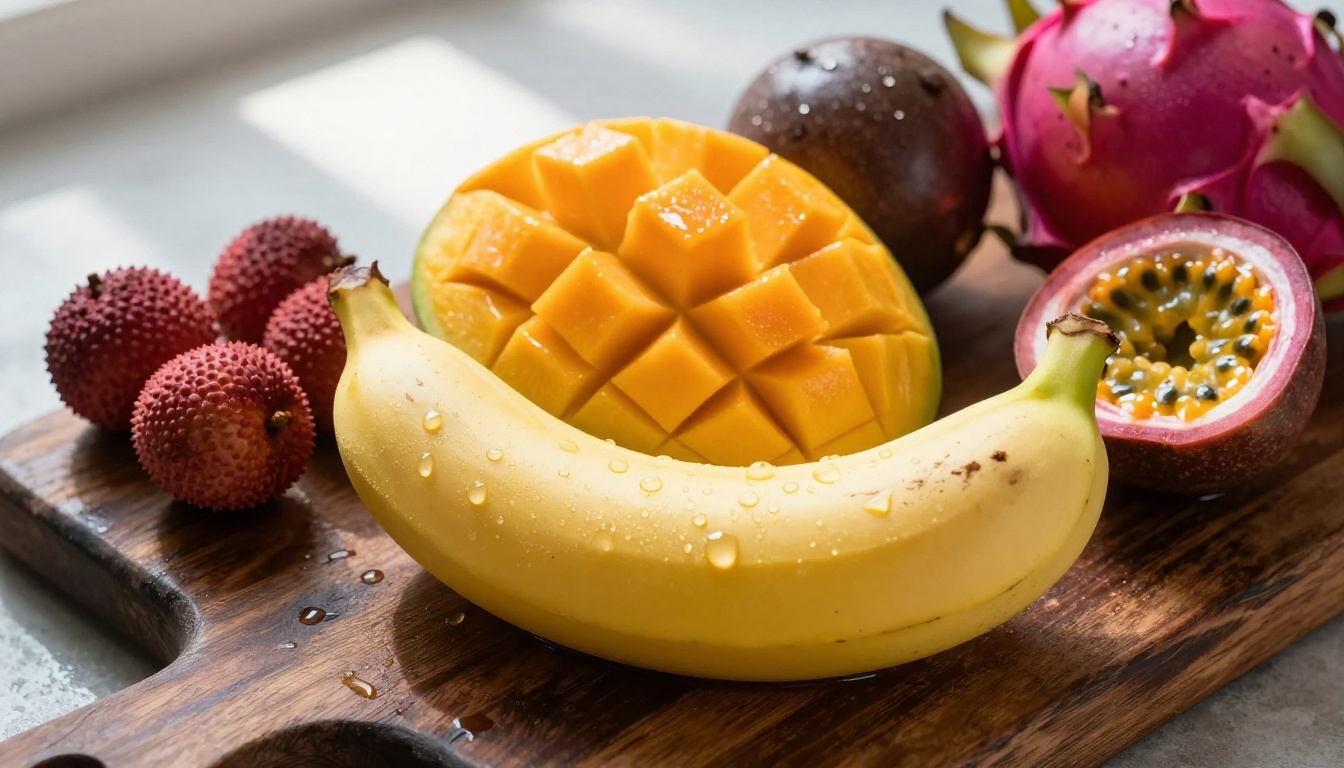
💡 For social-first food and product photography, Nano Banana Pro often produces more striking results due to its natural color saturation bias. SD 3.5 is better for documentary-style accuracy.
The Free Tier Breakdown
What You Actually Get Without Paying
Both models are available on PicassoIA at no cost. The free tier gives access to:
- Standard resolution single image generation
- Default sampling parameters without customization
- No batch generation on free tier
- Queue-based access shared with other users
Because Nano Banana models are lighter, queue times are consistently shorter on the free tier. A user testing both models back-to-back will generate more Nano Banana images per hour simply because each request processes faster. For bulk free testing, this is a meaningful advantage.
SD 3.5 on the free tier still delivers output quality that paid tools from two years ago could not match. The ceiling is genuinely high even without any paid access.

The Macro Detail Test: Where SD 3.5 Pulls Away
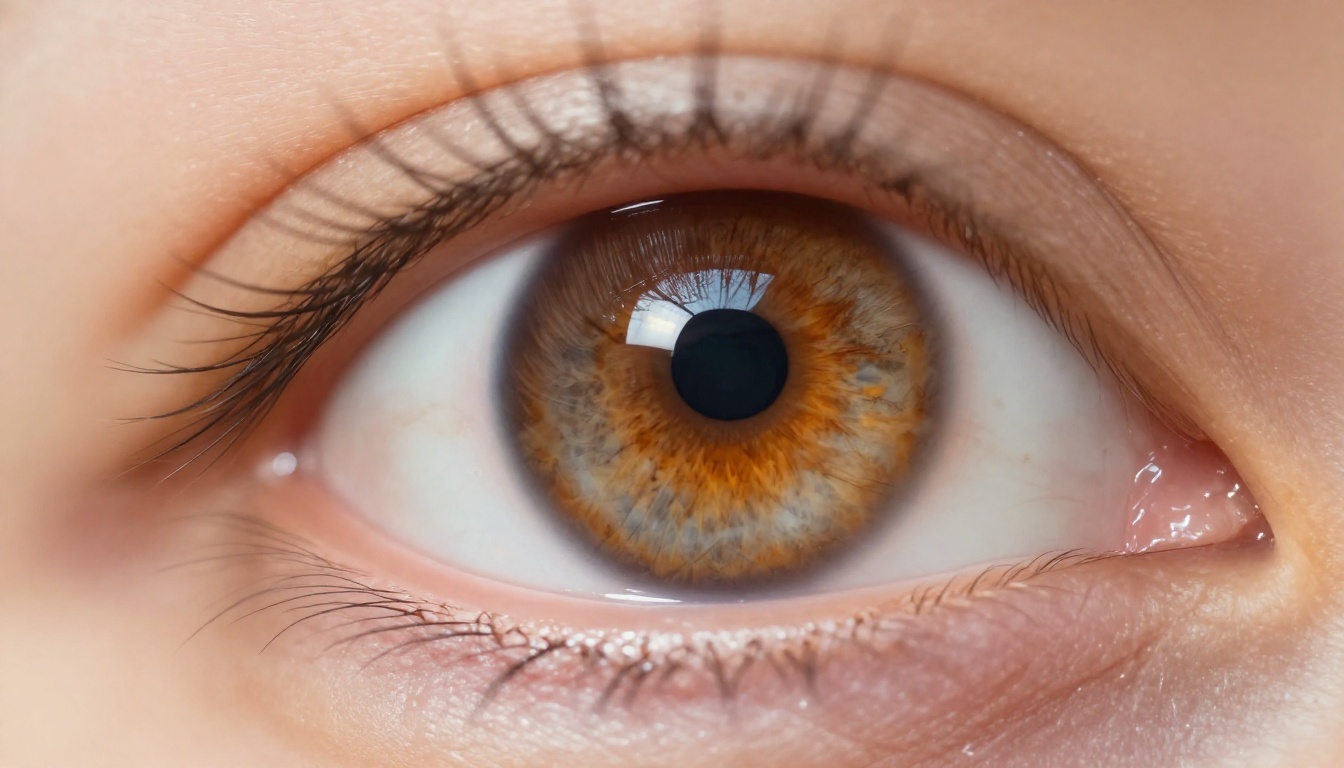
The most decisive single test was the human eye close-up. When both models received an identical prompt for a macro iris shot with specific detail requirements, the rendering difference was unambiguous.
Stable Diffusion 3.5 Large reproduced iris fiber patterns, accurate catchlight placement, and corneal moisture with anatomical precision. The result matched what a 100mm macro lens produces in real photography. Individual iris texture structures were distinguishable from one another.
Nano Banana produced a visually clean and attractive eye with accurate color but significantly less fiber detail and a softer corneal surface. The image looked like a well-focused studio portrait rather than a macro close-up. Nano Banana Pro closed part of that gap, rendering iris structures more distinctly, but the microdetail level of SD 3.5 Large remained out of reach.
Which Model Fits Which Workflow
The honest answer after this test is that neither model wins unconditionally. The right pick depends on what you are making and how fast you need it.
SD 3.5 Large is the right model when:
- You are creating print-quality portraits or editorial photography
- Prompts are technically detailed and require accurate reproduction
- Microdetail in skin, fabric, and natural textures matters for the final output
- You can afford a slightly longer queue time per image
Nano Banana or Nano Banana 2 fits better when:
- You need high-volume draft generation for iteration
- Prompts are compositional rather than technically precise
- Color accuracy and visual appeal matter more than microdetail
- Free tier throughput is a practical constraint
Nano Banana Pro sits in between and works well as a single-model solution for workflows that need a balance of speed and quality without switching between two different models depending on the task type.
Other models on PicassoIA worth running alongside this comparison include Flux 1.1 Pro for extremely sharp photorealistic outputs, Seedream 4.5 for outstanding skin tone accuracy, Realistic Vision V5.1 for human-first photorealism, and SDXL as a lower-weight baseline.
Run Your Own Stable Diffusion 3.5 vs Nano Banana Test
The best way to see which model fits your workflow is to test them with your own prompts. The results above reflect a specific set of test categories. Your use case may favor a different outcome.
Both Stable Diffusion 3.5 Large and the full Nano Banana family are available on PicassoIA right now, free to use without any subscription. Start with a portrait, a landscape, and a detailed still life prompt. Run them through both models. The differences will be immediately visible.
PicassoIA also gives you access to 90+ additional text-to-image models, including SD 3.5 Large Turbo, Flux 1.1 Pro, and Nano Banana Pro, all accessible from a single interface with no API keys, no local GPU requirement, and no setup. Browse every available model at picassoia.com/en/all-models and pick the one that fits what you are building today.


